
A 500-piece puzzle that looks perfect on your table can become surprisingly awkward once it is finished. Too much empty space in the frame, edges that sit too tight, or a design that deserves better than a generic border - this is where puzzle frames by piece count actually matter. If you want your finished puzzle to feel like art rather than an afterthought, choosing the right frame size and style makes all the difference.
For puzzle lovers, collectors and gift buyers, framing is not just about protection. It is about turning a finished build into something display-worthy. That matters even more with premium plastic puzzles, where the finished result is durable, holds together well, and is made to be showcased. No glue needed is a real advantage, but the frame still needs to match the puzzle’s actual dimensions, thickness and visual style.
Why puzzle frames by piece count are only the starting point
Piece count is useful because it gives you a quick way to narrow your options. A 300-piece puzzle is generally smaller than a 1000-piece puzzle, and a 2000-piece puzzle will almost always need a much larger display area. That part is simple.
The catch is that piece count does not guarantee exact measurements. Different brands cut pieces differently, and two 1000-piece puzzles can have noticeably different finished sizes. One may be more compact with smaller pieces, while another uses larger pieces and a wider layout. This is especially relevant if you enjoy premium plastic puzzles, mini-format puzzles, or collectible designs that do not follow standard cardboard sizing.
That is why smart framing starts with piece count, then moves straight to the actual finished dimensions. Think of piece count as the browsing filter, not the final answer.
Matching frame size to common piece counts
When shoppers look for puzzle frames by piece count, they are usually trying to solve one of two problems. Either they want to pre-plan before buying a puzzle, or they have already finished one and need to frame it without guesswork.
For smaller counts such as 100 to 300 pieces, framing is usually straightforward. These puzzles suit compact wall spaces, shelves, kids’ rooms and gift displays. They also work well if you like to rotate your décor seasonally. A neat, close-fitting frame keeps the presentation polished without overwhelming the puzzle itself.
At 500 pieces, you start moving into one of the most popular framing sizes. This is a sweet spot for many adults and families because the puzzle offers a satisfying challenge without taking over the dining table for days. A framed 500-piece design can sit comfortably in living spaces, hallways or home offices, especially if the artwork has strong colour or decorative appeal.
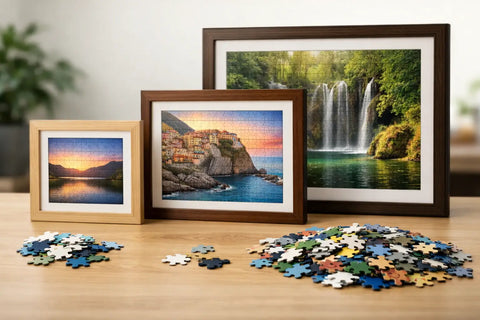
For 1000-piece puzzles, framing becomes more of a design decision. These finished pieces often become statement décor. They suit larger wall areas and deserve a frame that feels intentional rather than improvised. If the image is detailed, scenic or collectible, a cheap frame can flatten the impact. A better fit and cleaner finish help the artwork stand out.
Once you move into 1500 pieces and above, practical concerns matter more. Weight, wall space and transport all come into play. A large puzzle may look stunning, but only if you have the room to display it properly. Bigger is not always better if the frame dominates the space or makes installation awkward.
Piece count versus finished dimensions
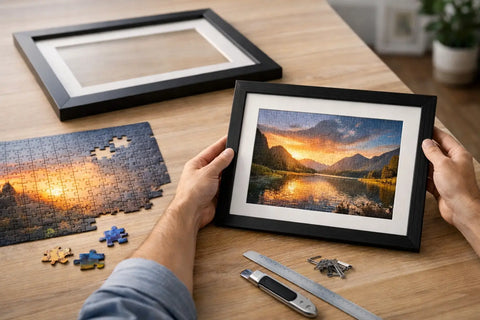
This is the part many people skip, and it is usually where mistakes happen. Before choosing a frame, measure the finished puzzle yourself. Do not rely on assumptions based on piece count alone.
Even within the same category, dimensions can vary because of piece shape, border thickness, and brand-specific sizing. Some premium plastic puzzles are designed to fit tightly and hold their form beautifully, but they may also be slightly thicker or more precisely cut than standard cardboard options. That is excellent for display, but it means frame depth matters as well as width and height.
Choosing the right frame style for display
A good frame does two jobs at once. It supports the puzzle physically, and it finishes the look visually.
If your puzzle has vibrant artwork, a simple frame often works best. Clean black, white or timber-look finishes keep the attention on the image. If the puzzle itself is more minimalist or monochrome, a more decorative frame can add warmth and presence.
There is also the question of whether you want the frame to blend in or make the puzzle feel like a feature piece. For a playful kids’ puzzle, bright and cheerful may work beautifully. For collectible artwork or a premium design piece, a sleeker finish usually feels more polished.
With plastic puzzles, one of the big benefits is structural stability. Because the pieces lock together firmly, the finished puzzle already feels more display-ready. That gives you more flexibility. You are not trying to rescue a flimsy cardboard sheet with glue and hope. You are presenting something built to last.
Frame depth matters more than people think
Many standard frames are made with photos, prints or posters in mind. Puzzles are different. They have thickness, and premium plastic puzzles can be thicker again.
If the frame is too shallow, the backing may press awkwardly against the puzzle or fail to close properly. If it is too deep, the puzzle can shift unless it is secured well. The best result is a frame with enough depth to accommodate the puzzle comfortably while keeping the finished piece snug and stable.
This is one of those details that separates a tidy display from a frustrating weekend project.
When a standard frame works - and when it does not
Standard frames are great when your puzzle matches a common print size. They are convenient, easy to source and often more budget-friendly. If you have a puzzle with typical dimensions and a fairly flat profile, a ready-made frame can be a smart choice.
But there are trade-offs. Some puzzles sit just outside standard sizing, and forcing a near fit usually looks messy. Custom or specialised puzzle framing is often the better move if the puzzle has unusual dimensions, premium artwork, or strong sentimental value.
This is especially true for collectors and gift buyers. If the puzzle is meant to become home décor, the finish matters. Saving a little on the frame can end up costing you in appearance.
Framing premium puzzles for long-term display
Not every puzzle deserves permanent wall space. Some are just fun to build once. Others are clear keepers from the moment the image starts coming together.
If you are framing for long-term display, think beyond size. Consider where it will hang, how much light the area gets, and whether the frame suits the room. A bright, detailed floral puzzle may look amazing in a hallway but feel too busy in a bedroom. A sleek cityscape may suit a study better than a family room.
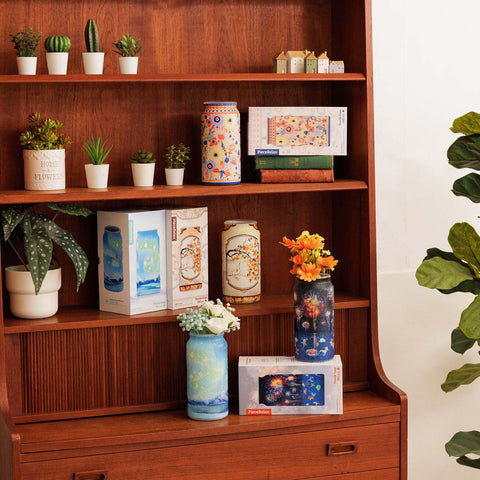
Water-resistant plastic puzzles have a natural advantage here. They are less delicate to handle, easier to keep looking fresh, and better suited to repeated moving if you like to refresh your space. That display value is a big part of what makes them feel premium.
For shoppers browsing at https://Puzzleartstore.co.nz, this is often the real appeal. You are not buying something to complete and pack away in a cupboard. You are choosing a puzzle that can keep earning its place in your home.
A practical way to choose puzzle frames by piece count
If you want the simplest path, start with the piece count to narrow the category, then check the exact finished dimensions on the product packaging or listing. After that, look at frame depth, not just surface size. Finally, choose a frame style that suits the artwork and the room where it will live.
This approach works whether you are buying for yourself, framing a finished gift, or planning a puzzle corner that feels more gallery than games cupboard. It also helps avoid the most common mistake - buying a frame too early based on assumptions.
The best framed puzzles do not look accidental. They look chosen. And when the puzzle itself is durable, beautifully printed and made to stay together without glue, the right frame gives it exactly what it deserves - a proper place on display.

Comments (0)
There are no comments for this article. Be the first one to leave a message!