
Some puzzles are made for a quiet afternoon at the table. Others end up on a shelf, in a living room, or even holding flowers. That is the real difference in 2d vs 3d puzzles - not just how they look while you build them, but what they become once the last piece clicks in place.
If you are choosing for yourself, for the kids, or for a gift, the better option depends on what kind of experience you want. Do you love the calm rhythm of sorting colours and edges? Or do you want a finished piece that feels more like décor, a collectible, or a conversation starter? Both formats can be satisfying, but they deliver that satisfaction in very different ways.
2D vs 3D puzzles at a glance
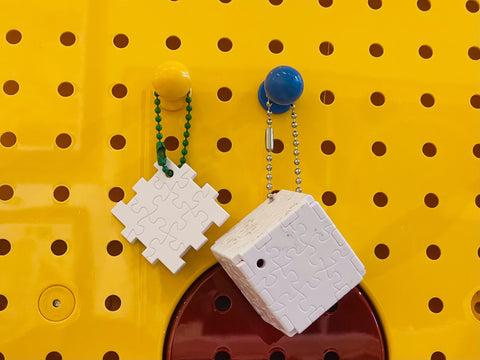
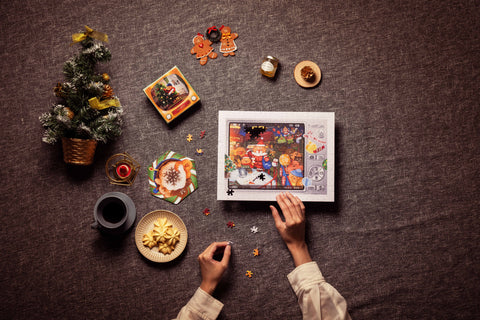
A 2D puzzle is the classic flat format most people know well. You build an image on a single plane, usually guided by colour, pattern, shape, and edge pieces. The reward is visual - a completed artwork, scene, illustration, or design that can be framed or stored.
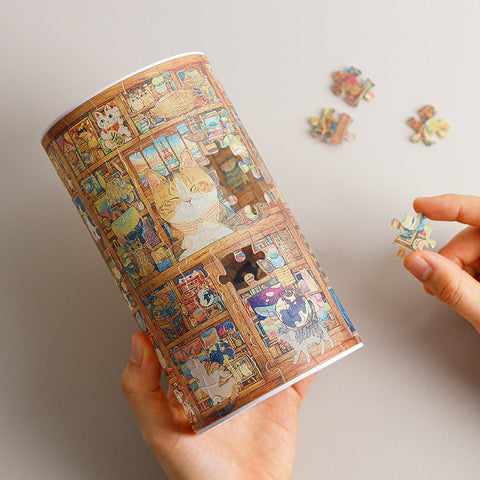
A 3D puzzle adds structure as well as image. Instead of only building across a flat surface, you build up and around. That could mean forming a globe, vase, planter, clock, or architectural shape. The finished result often stands on its own and may even have a practical use.
That sounds simple enough, but the choice becomes more interesting when you look at challenge style, display value, age suitability, and whether you want a one-time activity or an object worth keeping out.
How the building experience feels different
With 2D puzzles, the pleasure usually comes from flow. You spread out the pieces, separate the edges, find matching shades, and slowly watch the image appear. It is familiar, soothing, and easy to settle into. For many puzzlers, that flat format is ideal for mindfulness because the process is steady and visually guided.
3D puzzles tend to feel more hands-on and physical. You are not only matching artwork or patterns - you are paying attention to curvature, angle, structure, and how each section supports the next. It can feel more dynamic, especially if the puzzle turns into a usable object or display piece.
Neither is automatically harder. It depends on how your brain likes to solve problems. Someone who enjoys colour matching and image recognition may find 2D more intuitive. Someone who likes form, design, and spatial thinking may click with 3D much faster.
Which type is more challenging?
This is where people often expect a clear winner, but challenge in puzzles is rarely that straightforward.
A detailed 2D puzzle with repetitive colours, intricate illustration, or a high piece count can be seriously demanding. Large skies, oceans, floral blends, or abstract art can test your patience in a way that looks deceptively gentle at first.
A 3D puzzle can be trickier in a different way. Even with fewer pieces, the puzzle may require more attention to orientation and assembly order. If the design curves or stacks, a wrong section can affect the shape of what comes next. That makes some 3D formats feel more technical, even when the piece count is lower.
For beginners, 2D often feels more approachable because the rules are familiar. For experienced puzzlers who want something fresh, 3D can be exciting because it breaks that routine. If you have done plenty of traditional jigsaws and want a new challenge without abandoning the joy of fitting pieces together, 3D is a smart next step.
Display value is where 3D really shines
A finished 2D puzzle can be beautiful, especially when the image has bold artwork, striking colour, or collector appeal. If the pieces interlock firmly, it is far easier to frame and show off without the usual fuss. That matters if you want your completed puzzle to feel like art rather than something destined for the box again.
But 3D puzzles have a natural edge when display is part of the reason you are buying. A completed globe, vase, planter, or clock does not just sit flat against a wall. It becomes an object in the room. It adds shape, personality, and novelty in a way that standard puzzles usually do not.
That makes 3D especially appealing for shoppers who want more than an activity. It suits people who love home décor, thoughtful gifting, or collectible pieces that earn their place on a shelf, desk, or table. No glue needed, no flimsy finish, and no sense that the fun ends once the build is done.
2D vs 3D puzzles for gifting
If you are buying for someone else, 2D vs 3d puzzles often comes down to how much you know about their tastes.
A 2D puzzle is a safe and versatile gift. It works well for art lovers, families, quiet hobbyists, and anyone who enjoys screen-free downtime. You can match the image to the person - animals, landscapes, florals, pop culture, travel, fine art, and more. The gift says, I know what you like.
A 3D puzzle feels more unexpected. It has a novelty factor that makes it especially strong for birthdays, Christmas, Mother’s Day, or housewarming gifts. If the finished piece becomes décor or a functional item, it feels like two gifts in one - the experience of building it and the enjoyment of displaying or using it afterwards.
For gift buyers, that extra showcase value matters. A premium plastic puzzle that holds together properly and resists wear feels much more special than a disposable box that gets packed away after one use.
What works best for kids and families?
For younger puzzlers, 2D is usually the easier starting point. The flat format is simpler to understand, and children can focus on image recognition, shape matching, and confidence-building without the extra complexity of building vertically.
That said, 3D can be brilliant for older kids who enjoy construction toys, hands-on projects, or anything they can put on display afterwards. A shaped puzzle can feel more like a creative build than a sit-down worksheet, which is often why it holds attention so well.
For family puzzling, both formats work nicely, but in different moods. A 2D puzzle suits a slower shared session around the table. A 3D puzzle often creates more interaction, because people naturally talk about what the object is becoming and how the pieces are shaping it.
Materials matter more than most people think
When comparing puzzle types, the material can change the whole experience.
Traditional cardboard has its place, but premium plastic puzzles offer clear advantages if you care about durability, repeat use, or display. Pieces that interlock securely are less fussy to move, easier to showcase, and better suited to formats that are meant to stay built. Water resistance is another practical bonus, especially in family homes or when the finished puzzle is being kept as décor.
This is particularly important with 3D puzzles. If a vase, clock, or globe is meant to be displayed, the build needs to feel sturdy and well-finished. But it matters for 2D as well. A flat puzzle that stays together neatly and can be framed without drama becomes much more appealing to collectors and décor-minded shoppers.
So, should you choose 2D or 3D?
Choose 2D if you love classic puzzling, want a relaxing visual challenge, or are buying for someone who enjoys traditional jigsaws. It is familiar, satisfying, and often the best option when the image itself is the star.
Choose 3D if you want a puzzle with presence. It is ideal for gift buyers, collectors, décor lovers, and anyone who wants the finished result to keep adding value after the build is complete.
Of course, plenty of puzzle fans do not stay loyal to just one format. A flat puzzle can be perfect for a rainy weekend, while a 3D design can be the piece you bring out when you want something more distinctive. That mix is part of the fun. At Puzzle Art Store, that is exactly why premium puzzle ranges can feel so exciting - you are not choosing between entertainment and display, but finding the right balance of both.
The best puzzle is not the one with the most pieces or the fanciest shape. It is the one that suits how you like to spend your time, and what you want to keep when the building is done.
Comments (0)
There are no comments for this article. Be the first one to leave a message!