
You finish the last section, lift the puzzle, and it stays together. No glue, no cardboard dust, no nervous shuffle to a frame. That single moment is usually when people stop asking are plastic puzzles worth it and start asking which one they want next.
For plenty of puzzlers, the real question is not whether plastic puzzles cost more than standard cardboard. They often do. The better question is what you get for that extra spend. If you want a one-and-done activity to pull apart and box up again, cardboard can still make sense. But if you want durability, display value, and something that feels more like collectible puzzle art than disposable entertainment, plastic puzzles earn their place very quickly.
Are plastic puzzles worth it for everyday puzzling?
In many cases, yes. Plastic puzzles feel different from the first handful of pieces. The pieces are firmer, cleaner at the edges, and more precise in the fit. That changes the whole experience. You spend less time second-guessing soft, almost-fitting pieces and more time enjoying that satisfying click when the right piece locks in.
That tighter fit matters beyond the build itself. A well-made plastic puzzle can usually be picked up in sections, and many can hold together completely once finished. For adults who like to move a completed puzzle from the table to a shelf, desk, or frame, this is a major upgrade. It removes one of the biggest annoyances in traditional puzzling - the awkward step between finishing and displaying.
There is also a practical side for family homes. Plastic pieces are less prone to bent corners, surface peeling, and the general wear that turns a favourite cardboard puzzle tired after a few builds. If you puzzle regularly, or if more than one person in the household uses the same set, that durability is not a small bonus. It is part of the value.
Where plastic puzzles really justify the price
The strongest case for plastic puzzles is not simply that they last longer. It is that they do more.
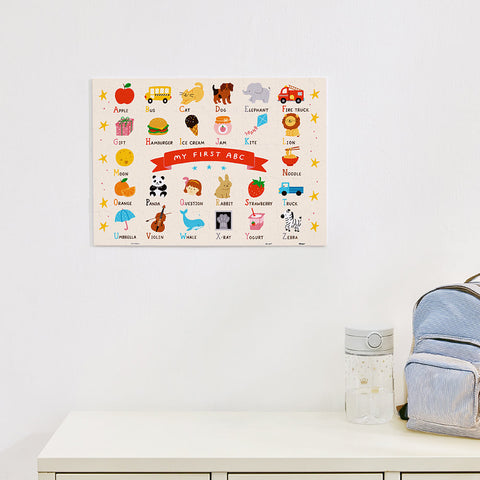
A premium plastic puzzle often sits somewhere between a hobby item, a gift, and home décor. Finished 2D designs can be displayed without the messy extra step of glue. Some are designed specifically to be framed easily. Others work as stand-alone pieces on shelves or desks because the image quality and piece construction hold their shape so well.
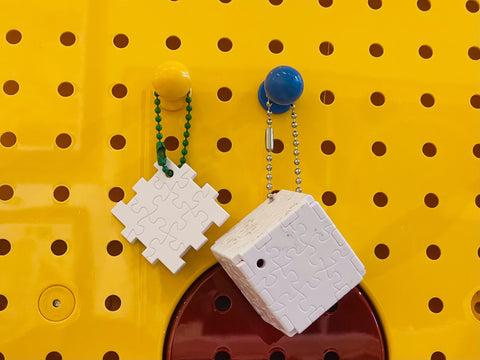
Then there are formats cardboard cannot match nearly as well. A 3D vase, globe, clock, planter, or other functional build changes the category completely. At that point, you are not just paying for puzzle time. You are paying for a finished object that stays in your home and keeps its value as a decorative piece.
That is why collectors and gift buyers often find plastic puzzles easier to justify. They are not buying something that disappears back into a box once the fun is over. They are buying a puzzle that becomes part of a room.
Are plastic puzzles worth it compared with cardboard?
This depends on what kind of puzzler you are.
If your priority is low upfront cost and a huge range of casual designs, cardboard still has the advantage. It is widely available, familiar, and perfectly fine for occasional puzzling. For someone who completes a puzzle once, breaks it up, and moves on, cardboard remains a solid option.
But the comparison shifts when you care about finish quality, longevity, and showcase value. Plastic puzzles are better suited to repeat handling, easier display, and cleaner storage. They are also more resistant to moisture, which is useful in real homes where tables are shared with drinks, kids, crafts, or everyday life.
The feel is different too. Some puzzlers love the classic texture of cardboard and the softer, more traditional style. Others prefer the precise fit and polished finish of plastic. Neither preference is wrong. It simply comes down to whether you want a temporary puzzle session or a premium object you can keep, display, or gift.
The big advantages of plastic puzzles
Durability is the obvious one, but it is not the only reason people switch.
Water resistance makes a practical difference. While no puzzle should be treated carelessly, plastic pieces cope better with damp hands, accidental splashes, and general wear. That adds peace of mind, especially for households with children or for anyone who likes to puzzle at the dining table rather than a dedicated hobby space.
The no-glue factor is another standout benefit. A puzzle that locks firmly enough to stay together saves time, mess, and frustration. If your goal is to turn a finished design into wall art or shelf décor, that convenience alone can make plastic puzzles worth it.
They also have a more premium gift feel. When someone opens a beautifully designed plastic puzzle, especially one in a novelty or display-ready format, it feels like more than a standard boxed pastime. It feels considered. That matters for birthdays, Christmas, Mother’s Day, or any occasion where you want something creative but still practical.
The trade-offs to know before you buy
Plastic puzzles are not automatically the best choice for everyone.
Price is the first trade-off. You will usually pay more than you would for a basic cardboard puzzle of similar size. If budget is the main driver, or if you are buying for very casual use, that difference may matter more than the extra features.
The fit can also be a learning curve. Because the pieces lock more firmly, some puzzlers find the experience less forgiving at first, especially if they are used to loosely fitting cardboard pieces. For most people, that becomes part of the appeal once they get used to it, but it is still worth knowing.
Design preference matters as well. If you love traditional painted landscapes in oversized piece counts and do not care whether the finished puzzle is displayed, plastic may not feel necessary. The value is strongest when you appreciate the material benefits and the finished look.
Who gets the most value from plastic puzzles?
Adults who enjoy mindful hobbies often get strong value because the build feels polished and the result feels worth keeping. Instead of finishing a puzzle and immediately packing it away, they can actually enjoy it as part of their space.
Collectors are another natural fit. Premium plastic ranges often lean into eye-catching artwork, themed series, and distinctive formats that feel collectible rather than generic.
Gift buyers also tend to see the value quickly. A plastic puzzle covers several boxes at once - creative, decorative, memorable, and display-ready. That makes it easier to buy for someone whose taste you know, but whose hobbies you may not know in detail.
Families can benefit too, especially with junior formats and sturdier pieces that handle repeat use better. When a puzzle survives beyond one rainy weekend and still looks fresh, the spend starts to feel much smarter.
Are plastic puzzles worth it for home décor?
This is where they shine.
A well-finished plastic puzzle does not have to fight for permanence. It is already built for it. The interlocking structure, clean edges, and stronger piece hold make it much easier to treat the finished result as décor instead of a temporary project.
That changes how people shop for them. You are not only choosing based on difficulty or piece count. You are choosing based on image style, room fit, collectibility, and whether the finished piece will suit a wall, shelf, desk, or bedside table. That is a very different experience from buying a puzzle just to pass the time.
For shoppers who want their hobbies to look as good as they feel, plastic puzzles hit a sweet spot. They offer the calm, hands-on enjoyment of puzzling, then stay around as something you are proud to display.
So, are plastic puzzles worth it?
If you want the cheapest way to spend an afternoon, maybe not. If you want a puzzle that is durable, water resistant, easy to display, and satisfying enough to feel like a premium product rather than a throwaway activity, then yes - plastic puzzles are worth it.
They are especially worth it when the finished piece matters as much as the build. That could mean framed puzzle art, a 3D functional design, a thoughtful gift, or simply a better-quality puzzling experience that holds up over time. For many New Zealand puzzlers, that is exactly the point.
At Puzzle Art Store, that is the appeal in one line: no glue needed, built to last, and made to be seen. Choose the puzzle that suits your style, and let the finished piece keep giving long after the last click.

Comments (0)
There are no comments for this article. Be the first one to leave a message!