
Some kids will sit with a puzzle for twenty minutes, fully locked in. Others will do three pieces, wander off, then come back after lunch and suddenly crack the whole thing. That is exactly why choosing the best kids puzzles for learning is less about buying the biggest box and more about matching the puzzle to the child, the skill, and the stage they are in.
A good learning puzzle does more than keep little hands busy. It builds pattern recognition, fine motor control, spatial awareness, patience, memory, and confidence. The best ones also feel worth keeping. For families who are tired of bent cardboard corners and one-and-done toys, durable puzzles with strong interlocking pieces offer a lot more staying power, especially when the finished result looks good enough to display.
What makes the best kids puzzles for learning?
The strongest educational puzzles usually get one thing right - they make the challenge clear without making it frustrating. If a child can see progress quickly, they are far more likely to stick with it. That means the best puzzle is not always the one with the highest piece count or the flashiest artwork.
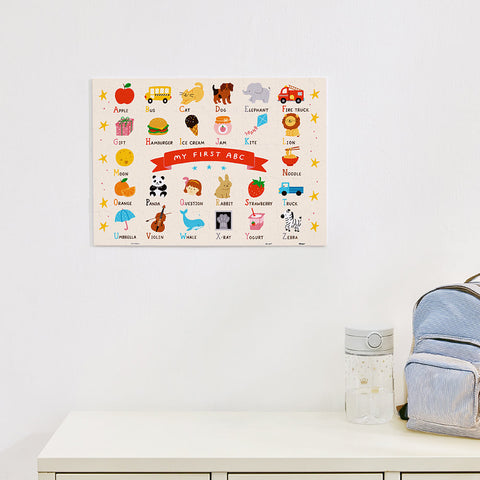
For toddlers and preschoolers, learning often starts with simple matching. Big shapes, bright colours, animals, vehicles, letters, and everyday objects all work well because they connect visual recognition to language. At this stage, success matters. Completing a small puzzle independently teaches cause and effect and builds the confidence to try more.
For older children, the learning value shifts. They start using logic, sorting strategies, edge-finding, image scanning, and trial-and-error in a more deliberate way. This is where jigsaw puzzles become especially useful. They teach kids to slow down, observe detail, and solve problems step by step. Those are skills that carry well beyond the puzzle table.
Material matters too. A flimsy puzzle can turn a good activity into a frustrating one. Pieces that bend, peel, or slide apart easily do not just wear out fast - they interrupt concentration. Premium plastic puzzles have a very different feel. They are sturdy, water resistant, and click together firmly, which makes them easier to handle and far more satisfying to complete.
Best puzzle types for different kinds of learning
Shape and matching puzzles
These are ideal for early learners. They help children recognise differences in size, outline, and orientation while improving hand-eye coordination. A child fitting a triangle into the correct space is not just playing - they are learning how shapes relate to each other and how to adjust their movements with purpose.
This format works best when the artwork is simple and the pieces are easy to grip. Too much visual clutter can confuse younger children, especially if they are still learning to identify objects clearly.
Alphabet and number puzzles
Letter and number puzzles are popular for a reason. They turn repetition into a hands-on activity, which helps children remember what they are seeing. The strongest versions support recognition first and formal learning second. In other words, kids should be able to enjoy placing the pieces before they are expected to recite or count perfectly.
That said, these puzzles are most useful when they are part of a broader mix. A child can learn the alphabet from a puzzle, but they also need variety to stay interested. If every educational toy is letter-based, the novelty disappears pretty quickly.
Picture jigsaws
Classic picture puzzles are often the best all-rounder. They support visual discrimination, memory, patience, and sequencing. Kids learn to sort by colour, identify edge pieces, and use the reference image to predict where pieces belong. It is simple, but it is rich learning.
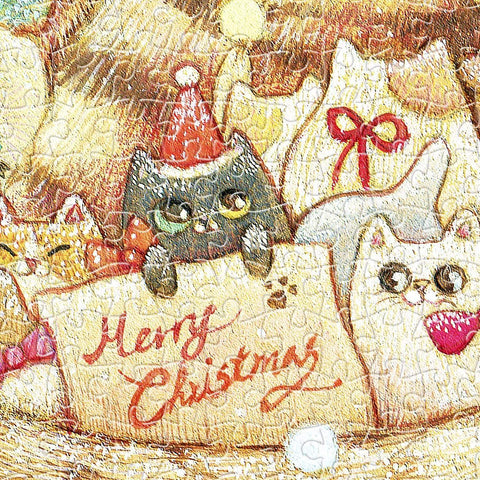
Picture choice matters here. A clean image with distinct sections is much better for beginners than a scene packed with tiny repeating details. Animals, maps, fairytale art, and bright nature scenes tend to be good picks because they give children recognisable landmarks to work with.
3D puzzles for spatial thinking
If a child enjoys building as much as puzzling, 3D options can be especially rewarding. These encourage a stronger sense of structure, balance, and orientation. Instead of working only across a flat surface, kids have to think about how pieces curve, stack, or form an object.
This is where premium plastic formats really shine. A well-made 3D vase, globe, or decorative object feels less like a throwaway activity and more like a project. It teaches persistence while producing something display-ready at the end. No glue needed is a genuine bonus for parents, and for kids it adds to the satisfaction - they built it, and it holds together.
How to choose by age without overcomplicating it
Age guides are useful, but they are not the whole story. Some five-year-olds want a quick puzzle they can finish alone. Others are ready for more complex images and enjoy working with an adult beside them. The best approach is to treat age ranges as a starting point, then look at attention span, puzzle experience, and temperament.
For ages 2 to 4, keep it simple. Large pieces, clear images, and short completion times are your friends. The goal is recognition and confidence, not endurance.
For ages 4 to 7, children can usually manage more pieces and more detailed scenes. This is a great stage for educational themes like animals, transport, oceans, space, or the alphabet, especially if the puzzle invites conversation while they build.
For ages 7 and up, puzzle choice can branch out. Some children still prefer straightforward jigsaws, while others are ready for intricate illustrations or 3D builds. If they enjoy collecting, premium puzzle designs can add an extra layer of excitement because the finished piece becomes part of their room decor rather than heading straight back into the box.
Why durability changes the value of a kids puzzle
Parents know the pattern. A child loves a puzzle, uses it often, then one soggy drink bottle, one bent corner, or one split tab and the whole thing starts looking tired. That is where quality materials make a real difference.
Durable plastic puzzles are a smart option for families who want more than a single afternoon of entertainment. Water resistance matters more than people think, especially around busy kitchen tables. Firm interlocking pieces also mean a completed puzzle can be moved, displayed, or admired without falling apart every few minutes.
That display factor is not just about looks. When children can see their finished puzzle on a shelf, desk, or bedside table, it gives the activity more meaning. It says this was worth making. For design-minded families, that matters. It turns puzzling into something closer to creative play and personal achievement.
Best kids puzzles for learning at home, as gifts, and for quiet time
At home, the best learning puzzles are the ones children return to without being prompted. That usually means the challenge feels achievable and the artwork appeals to them personally. Dinosaurs, marine life, princess themes, city scenes, and animals all have their fans. The key is choosing something they want to complete, not just something that looks educational on the box.
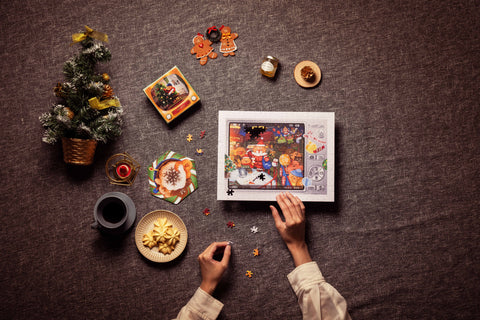
As gifts, puzzles do especially well because they feel thoughtful without being overcomplicated. They suit birthdays, Christmas, and school holiday treats, and they work for a wide range of personalities. If you are buying for another family, a premium puzzle has an advantage - it feels substantial, collectible, and a bit more special than a standard toy aisle option.
For quiet time, jigsaw puzzles are one of the easiest wins. They slow the pace of the room without needing screens or a big setup. A child can work independently, with a sibling, or alongside an adult. That flexibility is a big part of their staying power.
A few smart trade-offs to keep in mind
More pieces do not always mean more learning. Sometimes they just mean more mess and less momentum. If a child loses interest halfway through, the educational value drops off quickly. It is better to choose a puzzle they can complete with some effort than one that overwhelms them.
Themed puzzles can be brilliant, but only if the child genuinely likes the theme. A beautifully made globe puzzle may be fantastic for one child and ignored by another who would happily spend an hour on jungle animals.
And while educational value matters, fun still comes first. Kids learn best when they are engaged. A puzzle that sparks curiosity, invites conversation, and feels satisfying in the hands will always beat one that tries too hard to be instructional.
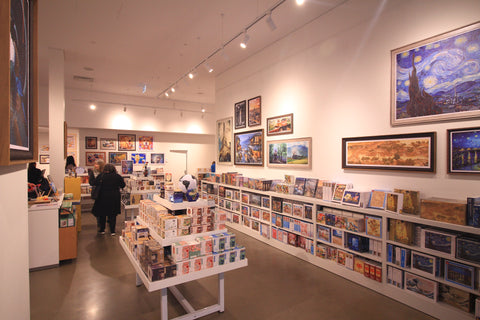
For families shopping with both play value and presentation in mind, that is where specialist puzzle ranges stand out. Stores like Puzzle Art Store focus on durable, display-worthy formats that go beyond disposable cardboard, which makes them especially appealing for gifting and for kids who love seeing their finished work on show.
The best puzzle is the one that meets a child where they are, then gently stretches what they can do next. Choose for interest, choose for durability, and choose for the small win of seeing them fit that final piece with a grin.
Comments (0)
There are no comments for this article. Be the first one to leave a message!