
A puzzle spread across the dining table changes the pace of a busy household. Screens can wait, snacks appear, and suddenly everyone has an opinion about where that one sky-blue piece belongs. The best family puzzle activities are not just about finishing a picture. They create small, satisfying moments of teamwork, concentration and laughter - with something lovely to show for it afterwards.
For Australian families, the right activity depends on the ages around the table, the time you have and whether you want a quick challenge or a weekend project. Premium plastic puzzles add another advantage: they are water resistant, hold together firmly and can become display-worthy art without the usual glue-and-cardboard fuss.
1. Build a shared table puzzle
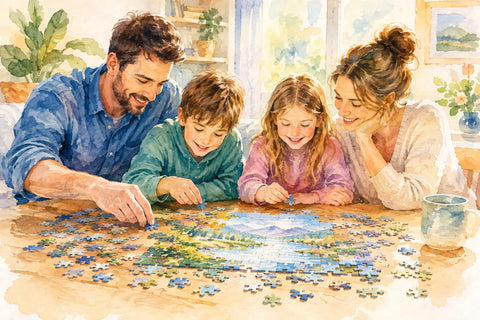
A classic jigsaw is still one of the best ways to bring different generations together. Choose a design with clear colour zones, recognisable objects or a scene everyone can talk about. One person can sort edge pieces, another can hunt for a particular colour, while younger puzzlers look for bold details such as flowers, animals or bright windows.
The trick is choosing a piece count that suits the group, not the most experienced person in it. A 300-piece puzzle can feel rewarding in one afternoon, while 500 to 1,000 pieces is better for families who enjoy returning to the table over several evenings. Leave a small tray nearby for loose pieces so dinner does not have to compete with the puzzle.
Plastic pieces are especially handy in a family setting. They click together neatly, are less vulnerable to the occasional drink spill and stay connected when it is time to move the work in progress. No glue needed when the finished puzzle is ready for framing or display.
2. Try a family puzzle relay
A relay gives a traditional jigsaw a burst of energy. Set a timer for five or 10 minutes, then give each family member a turn adding as many pieces as they can. The next person must continue from where the last player stopped. It is fast, funny and works particularly well when children are too restless for a long sit-down session.
Keep the mood light. The aim is not to crown the fastest puzzler, although friendly bragging rights are part of the fun. Try a theme such as “find all the red pieces” or “complete the border before afternoon tea”. For mixed ages, pair a younger child with an adult so the challenge feels encouraging rather than overwhelming.
3. Make a 3D puzzle that earns its place at home
Some finished puzzles deserve more than a photo before they are packed away. A 3D vase, planter, clock or globe turns family puzzling into a practical creative project. Each person can help assemble a section, then decide together where the finished piece will live.
This is a strong option for families who love making things but do not want another craft project heading for the rubbish bin. A puzzle vase can brighten a table, a planter can hold a small indoor plant, and a globe invites plenty of travel conversations. It also makes a thoughtful activity for a grandparent and grandchild to complete together, especially when the finished object becomes part of the home.
Piece counts and construction styles vary, so check the recommended age before choosing one. Younger children may need help with the first few connections, while older kids often enjoy the satisfaction of working out the structure themselves.
4. Set up a puzzle hunt around the house
Turn puzzle pieces into clues for an indoor treasure hunt. Hide a small selection around the lounge, bedrooms or covered outdoor area, then give the family a simple riddle for each location. Once every piece has been found, everyone works together to complete the mini puzzle or image.
This activity is ideal for rainy days, birthday gatherings and school holiday afternoons when energy levels are high. Keep hiding spots safe and easy to reach, and avoid places where a piece could be accidentally vacuumed up or taken outside. For younger children, use picture clues. For older children, write clues that require a little lateral thinking.
A compact puzzle, puzzle card set or magnet puzzle suits this format well. The smaller scale keeps the hunt moving, while the final image gives everyone a clear finish line.
5. Host a puzzle and picnic afternoon
Not every family puzzle activity needs to happen at the dining table. On a fine day, set up on a covered deck, at the holiday house or on a picnic rug with a firm tray underneath. Choose a manageable puzzle and bring out fruit, sandwiches and something warm to drink if the weather is cool.
Water-resistant plastic pieces make outdoor puzzling far less stressful than standard cardboard. They are still worth keeping away from wind, sand and muddy paws, but a little splash or damp table is not likely to end the activity. A lidded storage box helps keep pieces together between rounds.
This works beautifully for a relaxed multi-family catch-up. Rather than forcing everyone into one large project, place two or three smaller puzzles out and let people drift between them. Some guests will become deeply focused; others will add a few pieces between snacks and conversation.
6. Create a no-talking puzzle challenge
For a surprisingly tricky twist, agree that no one can speak for 10 minutes. Family members can point, gesture and pass pieces, but they cannot say where they think anything goes. It sounds simple until someone is holding the exact piece another person needs.
The challenge builds observation skills and usually produces plenty of laughter once the timer ends. It is best for a puzzle that is already partly sorted, since starting from a full box in silence can be more frustrating than fun. If you have younger children, allow them to speak when they need help and keep the rule playful.
7. Let each person choose one “signature section”
Large puzzles can be easier to share when every person claims a section. Someone might take the patterned dress, another the building façade, another the foliage or the sky. This gives each puzzler a sense of ownership while still requiring cooperation where the sections meet.
It is also a clever way to include family members with different attention spans. A child may complete a small colourful area and feel proud, while an adult settles into the more detailed sections. At the end, take a photo of the finished artwork and point out who completed what.
If the design is attractive enough to display, the activity continues after the last piece clicks into place. A premium interlocking puzzle can be carefully lifted, framed or placed on a shelf, turning a family memory into part of the décor.
8. Build mini bricks as a family design challenge
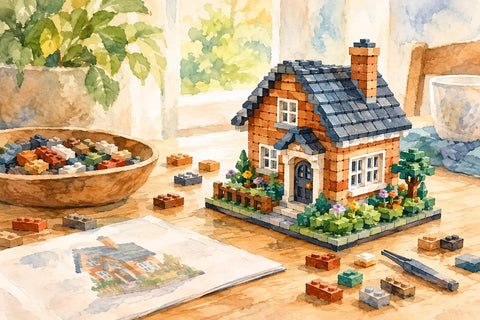
Mini bricks offer a different kind of puzzling: less about matching a printed image and more about following a build sequence with patience. Choose a project that can be divided into stages, then assign tasks such as sorting colours, locating tiny pieces or completing one side of the model.
These builds suit older children, teens and adults who enjoy precise hands-on work. They can be less forgiving than a standard jigsaw, so good lighting and a clear workspace matter. For families with very young children, keep small components well out of reach and choose a junior-friendly alternative.
The reward is a compact model that feels collectible rather than temporary. Display it beside books, plants or favourite keepsakes for a little reminder of the time spent making it together.
9. Turn finished puzzles into a family gallery
The best family puzzle activities do not have to end when the final piece is placed. Choose a few completed designs that suit your home’s colours or your family’s interests, then create a rotating puzzle gallery in a hallway, study or kids’ room.
This is where display-ready puzzles shine. Instead of gluing down a floppy cardboard surface, firmly interlocking plastic pieces can be easier to handle and frame. A gallery also gives children a real reason to take care during the build: their finished work may become artwork everyone sees each day.
Start with one piece you genuinely love rather than framing every puzzle. A striking city scene, botanical image or whimsical illustration has more impact when it has room to stand out.
10. Choose a puzzle as the gift and the activity
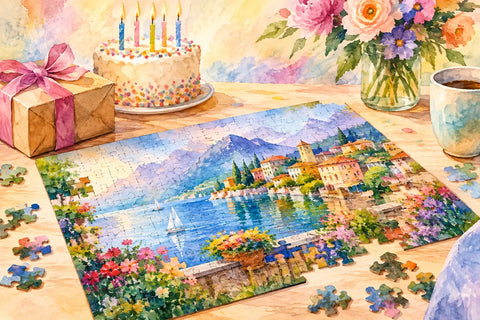
A puzzle is one of those rare gifts that can create an occasion as well as mark one. Bring one to a birthday lunch, give a 3D functional puzzle for Mother’s Day, or make a special design part of Christmas Day downtime. The recipient gets something to keep, while the family gets an easy shared activity when conversation slows after the meal.
For gift buyers, it helps to match the format to the person. A keen home decorator may love a puzzle that becomes a vase or display piece. A child may prefer bold artwork and a lower piece count. A serious puzzler may appreciate detailed art, a larger count and the crisp fit of premium pieces. Puzzle Art Store’s collection is designed around that idea: puzzling that looks as good finished as it feels while you are making it.
How to choose the best family puzzle activity
Start with the youngest regular participant, then work upwards. If a four-year-old needs to feel involved, choose bold imagery, larger pieces or a small companion puzzle alongside the main project. If your family includes teens who insist puzzles are “not really their thing”, try a 3D build, a timed challenge or an image connected to travel, sport, animals or pop culture.
Also consider the desired ending. A quick puzzle is perfect for filling an hour before dinner. A larger jigsaw becomes a comforting ongoing project. A display puzzle or functional 3D design offers the extra pleasure of seeing your shared effort every day.
Set out the pieces, clear a little space and choose a design worth lingering over. The next family favourite may begin with one satisfying click.
Comments (0)
There are no comments for this article. Be the first one to leave a message!