
A finished puzzle should feel like a proper achievement, not a fragile arrangement that falls apart the moment you lift it. So, do pieces interlock in premium plastic jigsaw puzzles? Yes - and that secure fit is exactly what makes them such a joy to build, display and give.
For puzzle lovers, families and gift shoppers, piece fit changes the whole experience. It affects how satisfying each placement feels, whether the completed image can be moved safely, and whether your hard work can become wall art, a decorative object or a keepsake worth showing off.
Do Pieces Interlock in Plastic Puzzles?
Premium plastic puzzle pieces are designed to connect with a firm, precise click. Rather than simply resting beside one another like many lightweight cardboard pieces, each piece is shaped to hold its neighbours in place. Once a section is complete, you can usually lift it carefully, move it across the table or place it into a frame without the dreaded collapse.
That does not mean every piece is impossible to separate. A quality puzzle still needs to come apart when you choose to pack it away or make a correction. The difference is in the balance: the fit is snug enough to hold the completed picture together, yet practical enough for normal puzzling.
This is particularly valuable for designs with plenty of similar colours, repeating patterns or fine artwork. When a piece clicks into place with confidence, you spend less time second-guessing whether it merely looks right and more time enjoying the build.
Why Interlocking Pieces Make a Difference
The best puzzles offer more than a beautiful image on the box. They create a finished result you can actually do something with. Secure interlocking turns puzzling from a temporary tabletop activity into a creative project with display potential.
No glue needed for a finished look
With conventional cardboard puzzles, gluing is often the only way to preserve the completed image. It can be messy, flatten texture, leave visible residue and make a once-relaxing hobby feel like a craft job. If the puzzle is not glued, moving it to a frame can be a tense two-person operation.
A well-made plastic puzzle changes that. The connected pieces hold their form, so there is no glue needed before displaying, framing or repositioning the finished work. That is ideal for renters, busy households and anyone who wants the option to take a puzzle apart later.
Easier framing and showcasing
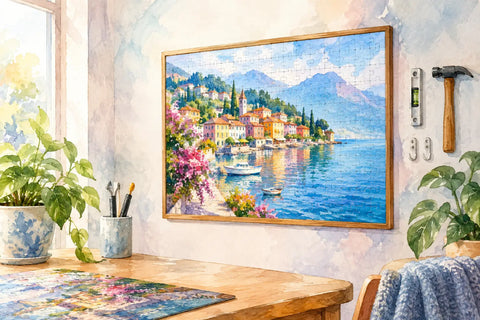
A secure puzzle can be lifted onto a backing board or moved into a frame with far less fuss. This gives you more freedom to treat the finished picture as art, whether it is going above a desk, brightening a family room or becoming part of a gallery wall.
It also makes puzzles more appealing as gifts. You are not just giving someone a few hours of screen-free entertainment. You are giving them a piece of artwork they can create and keep.
Better for functional 3D designs
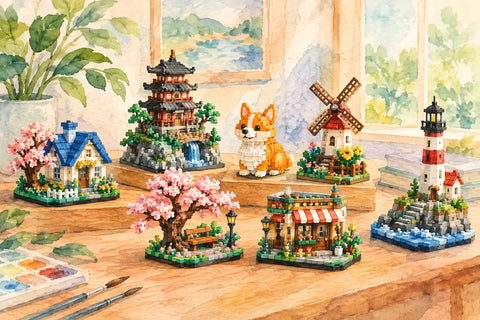
Interlocking construction matters even more when a puzzle becomes an object. A 3D vase, planter, globe or clock needs pieces that connect securely enough to form a stable shape. These are designed to stand proudly on a shelf or tabletop, bringing colour and personality to the home.
A 3D puzzle still needs sensible handling. It is décor, not a toy to toss around the lounge. But the right plastic construction gives it the strength needed for everyday display, without requiring permanent glue.
What Creates a Secure Puzzle Fit?
A satisfying interlock is not an accident. It comes from the material, the cut and the manufacturing precision working together.
Plastic pieces keep their shape well. They are less likely to soften, fluff at the edges or warp after repeated handling compared with standard cardboard. This consistency helps the tabs and sockets meet cleanly, piece after piece.
The cutting precision matters just as much. When each piece is made to accurate dimensions, the connections feel deliberate rather than loose or forced. You should not need to bend a piece, push aggressively or hope that an almost-right fit will somehow become correct later.
The puzzle surface also has a role to play. A quality printed finish makes it easier to read details in the image, from brush-like colour changes in an artwork to tiny features in a cityscape. Good visual clarity and a confident physical fit make the building process feel fair, even when the puzzle is challenging.
The Benefits of Plastic Beyond the Interlock
Interlocking pieces are the headline feature, but they are part of a larger premium puzzle experience. Durable plastic construction gives puzzlers practical advantages before, during and after the final piece goes in.
Water resistance is a major one. A splash from a drink does not have to spell disaster for the whole project. That is reassuring in a family home, at a kitchen table or when young puzzlers are involved. It is still wise to wipe spills quickly and avoid soaking any puzzle, but plastic offers a welcome layer of protection that cardboard simply cannot match.
Plastic puzzles are also made for repeat enjoyment. You can build one, display it for a season, take it apart and revisit it later. For collectors, that flexibility is a genuine bonus. A favourite design can be stored in its box without feeling like it has had only one life.
Then there is the feel of the pieces themselves. A crisp click, a smooth printed surface and a stable completed section add up to a more polished experience. It is one of those small details you notice every time you sit down for another session.
Is a Tighter Fit Always Better?
Not necessarily. A puzzle that is too loose is frustrating, especially when it cannot be moved or framed. But a puzzle that is excessively tight can also be difficult to correct, separate or pack away. The sweet spot is a secure, reliable connection that still respects the practical side of puzzling.
Piece count and format can affect the feel, too. A compact mini puzzle may have smaller pieces and require more careful handling. A large artwork-style puzzle might be best built on a board or puzzle mat so it can be moved as your table is needed for dinner. For children, age-appropriate piece sizes and familiar imagery often matter more than the tightest possible fit.
It also depends on your end goal. If you plan to frame a completed scene, look for a puzzle designed to hold together cleanly. If you enjoy rebuilding favourites, choose durable pieces that separate without damage. If you are buying a gift, a display-ready puzzle offers a memorable extra that a standard box of cardboard pieces may not.
How to Get the Best Result From Interlocking Pieces
Start on a flat, clean surface with enough room to sort edges, colours and distinctive details. Even a tightly interlocking puzzle benefits from a stable base. If you expect to move the project, build it on a lightweight board from the beginning rather than directly on the dining table.
Avoid forcing pieces. A satisfying interlock should come from the right match, not pressure. If a piece seems close but will not sit flush, set it aside and check the surrounding shapes and image details. This keeps both the pieces and the finished surface looking their best.
Once complete, press gently across the puzzle with flat hands to check that each connection is properly seated. If you are framing it, slide a backing board underneath slowly and steadily. For a 3D puzzle, follow the assembly sequence carefully so the shape forms evenly and remains stable.
Keep finished puzzles away from prolonged direct sun, high heat and places where they may be knocked by pets or little hands. Their durable construction is a big advantage, but thoughtful display helps preserve the artwork for longer.
A Puzzle That Stays Part of Your Home
The magic of a secure interlock is simple: it lets your finished puzzle become more than a memory of a relaxing afternoon. It can become framed art, a colourful 3D accent, a conversation-starting gift or a collectible you bring out again and again.
At Puzzle Art Store, premium plastic puzzles are chosen for exactly that kind of enjoyment - creative, durable and ready to be shown off. Choose an image or format you genuinely love, give each piece time to click into place, and let the finished result earn its spot in your home.


Comments (0)
There are no comments for this article. Be the first one to leave a message!