
A finished puzzle should not have to disappear back into its box. The best guide to puzzle home styling starts with one simple idea: choose pieces you genuinely want to keep looking at. Premium plastic puzzles bring together hands-on fun, colour, texture and display value, so the time spent completing them becomes part of your home rather than a temporary pastime.
Unlike traditional cardboard puzzles, quality plastic pieces interlock firmly and stay together without glue. That changes the decorating possibilities. You can frame a bold 2D scene, place a functional 3D puzzle on a shelf, or build a small collection that evolves with the seasons. The trick is to make each piece look intentional, not like an afterthought.
Start With the Room, Not the Puzzle
It is tempting to fall in love with a design first, then wonder where it will fit. For a more polished result, consider the room’s existing mood before choosing colours, scale and subject matter.
A calm bedroom suits soft landscapes, botanicals, moonlit scenes and gentle pastel artwork. In a living room, a larger puzzle with rich colour, illustrated city scenes or dramatic animals can become a conversation piece. Kitchens and dining areas work beautifully with fruit, florals, café-inspired art and playful mini designs, while a home office can handle a striking pattern or a globe that gives the desk more personality.
Think about what the room already needs. If your walls are plain, choose a puzzle with confident colour and detail. If the room is already busy with patterned cushions, books and artwork, a simpler design may provide visual breathing space. Matching every colour exactly is not necessary. Picking up one or two colours from the room is usually enough to make the display feel connected.
Guide to Puzzle Home Styling: Choose Your Display Role
A puzzle can play more than one role at home. It might be the main artwork on a bare wall, a small accent among photographs, or a practical object that happens to be beautifully made. Decide which role you want before you commit to placement.
Make a 2D puzzle the hero
A completed 2D puzzle is ideal when you need wall art with a personal story. Choose a design that has enough detail to reward a closer look, especially in rooms where guests gather. A vivid artwork above a console table, sideboard or reading chair creates an instant focal point.
Scale matters here. A small puzzle can look lost above a wide sofa, but it may be perfect as part of a gallery wall. A larger piece needs room around it, so avoid crowding it with too many competing frames. Leave a little wall space visible and let the artwork do its job.
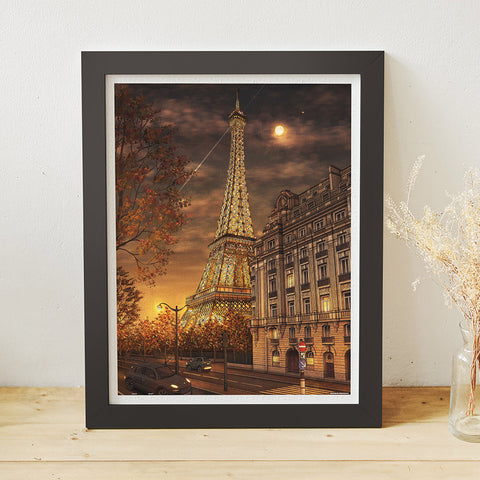
Because premium plastic puzzles hold together securely, they are easily framed without the messy glue step. A clean white or pale timber frame suits colourful illustrations and keeps the look fresh. Black frames add contrast and make graphic designs feel more contemporary. For a relaxed, collected look, mix a puzzle artwork with postcards, family photos or small prints, but keep the frame finishes limited to two or three tones.
Use 3D puzzles as useful décor
Functional 3D puzzles are the easy answer for people who love a finished puzzle but do not have another spare wall. A puzzle vase can brighten a dining table or entry console. A planter gives a windowsill, shelf or desk a playful lift. Clocks and globes work particularly well in studies, children’s rooms and creative corners.
The appeal is not only the finished object. Visitors can see that it is a puzzle, yet it still earns its place as décor. That blend of novelty and usefulness makes 3D designs especially good for gifts, housewarmings and homes where surfaces need to work hard.
Keep styling simple around a 3D puzzle. A vase needs only a small bunch of flowers or foliage. A planter looks best with one healthy plant rather than a crowded cluster. Let its puzzle construction stay visible - that is part of the charm.
Build Colour Stories Instead of Random Displays
One framed puzzle looks intentional on its own. Several puzzles can look even better when they share a colour story, a theme or a consistent format. This is where collectors can have real fun.
Try grouping designs around ocean blues, garden greens, warm sunset tones or black-and-white graphic art. You could also build a theme around travel, animals, famous artworks or seasonal flowers. The collection does not need to match perfectly. In fact, a little variation gives it energy. What matters is that there is one visual thread tying the pieces together.
For a shelf display, work in layers. Place a framed mini puzzle at the back, lean it slightly against the wall, then add a 3D puzzle object in front or alongside it. A small candle, stack of books or ceramic dish can anchor the arrangement. Avoid filling every centimetre. A shelf with some open space looks more considered and makes each puzzle easier to enjoy.
If you rent or prefer flexibility, start with leaner displays rather than committing every puzzle to the wall. A framed piece can sit on a picture ledge, buffet or bedroom dresser until you find its permanent home. It also makes it easy to refresh your styling when your mood changes.
Style Puzzles for Real Family Life
Puzzle home styling does not need to be precious. In family homes, display pieces should be placed where they can be enjoyed without becoming another thing to worry about. Put larger framed puzzles above the reach of curious little hands, and save sturdy 3D pieces for desks, bookshelves and supervised play spaces.
Kids’ puzzles can become part of a child’s room décor too. A finished design featuring animals, vehicles, fantasy scenes or bright educational artwork feels more meaningful than a generic print because they helped create it. Choose a low display shelf for older children who want to show off their work, or frame a favourite completed puzzle as a milestone piece.
Water-resistant plastic construction is helpful in busy households, particularly for décor near dining areas or in rooms where accidental spills happen. It does not mean every display should live in a wet area, but it does mean you are not dealing with the delicate, easily bent edges of ordinary cardboard. A soft dry cloth is usually all that is needed to keep display pieces looking tidy.
Get the Placement Details Right
The difference between a puzzle that looks displayed and one that looks stored is often just placement. Hang framed artwork at a comfortable viewing height, generally with the centre around eye level. Above furniture, leave a sensible gap so the piece feels connected to the console, sofa or bed rather than floating too high.
Light deserves attention as well. Natural light makes colour sing, but direct harsh sun can make any artwork harder to appreciate over time. Choose a bright wall that is not constantly blasted by afternoon sun. For shelves, a nearby lamp can create a warm evening feature, especially for a globe, clock or puzzle vase.
Do not feel obliged to show every finished puzzle at once. Rotate your displays. Bring out cheerful florals in spring, sunny coastal scenes in summer, deeper colours in autumn, and festive designs when the season calls for it. Rotation keeps your home feeling fresh and lets every completed puzzle have its moment.
Turn Finished Puzzles Into Gifts With Staying Power
The strongest gifts often give someone an experience first, then something beautiful to keep. A display-ready puzzle does both. For a birthday, choose an artwork that reflects their favourite colours, hobby or travel dream. For a parent, a functional vase or planter offers the pleasure of building plus a piece they can use every day.
Customised puzzle gifts add another layer of meaning, particularly for anniversaries, family celebrations and milestone occasions. The finished image becomes a keepsake, while the process of putting it together gives the recipient time with the memory itself. Add a frame or a small accessory and the gift feels complete without becoming overdone.
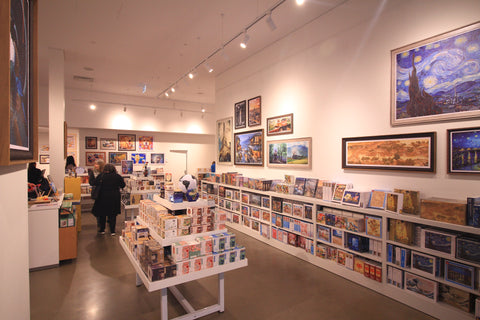
At Puzzle Art Store, the appeal is clear: authentic premium puzzles that are made to be enjoyed, displayed and collected. Whether you choose a bold wall piece or a small functional build, look for designs that make you smile before the first piece is even placed.
Give your favourite completed puzzle a proper place this week. A frame, a shelf, a sunny-but-protected corner or a freshly styled desk can turn a relaxing hobby into a detail that makes home feel more like yours.


Comments (0)
There are no comments for this article. Be the first one to leave a message!