
A finished puzzle deserves better than being packed back into its box. The best plastic puzzle wall art examples turn a satisfying afternoon at the table into colour, character and conversation on your wall. Because premium plastic pieces lock firmly together, there is no glue needed before you display them - a major advantage when you want your handiwork to look polished, stay intact and remain easy to move.
Whether you are styling a bright family room, choosing a meaningful gift, or finally giving your favourite completed puzzle a proper place, the image, scale and setting all matter. Here are seven display-ready ideas that prove a puzzle can be far more than a one-time activity.
Plastic Puzzle Wall Art Examples to Inspire Your Space
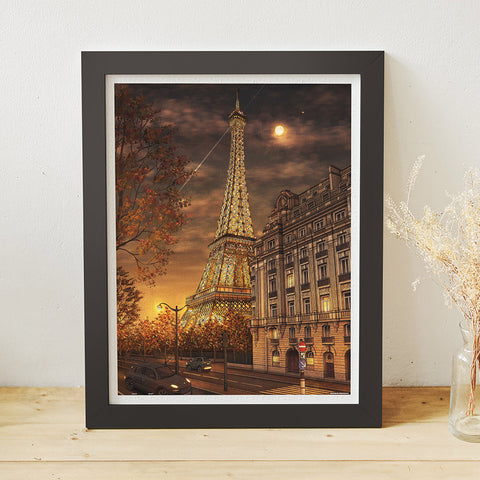
1. A bold city scene above a console table
A colourful skyline, street scene or recognisable landmark has the presence of a print, with the added story of having assembled it yourself. This style works beautifully over an entry console, sideboard or narrow hallway table where guests can see it up close.
Choose a scene with strong contrast - glowing windows, saturated signage, blue harbour water or a dramatic sunset - so it does not disappear against the wall. A black, white or natural timber frame lets the image lead. If the puzzle has a very busy edge, a wider white mount can give the finished piece breathing room.
This is a smart option for apartment living too. One medium-sized framed puzzle adds personality without needing a full gallery wall, and its water-resistant plastic surface is reassuring in an entry where damp jackets and umbrellas occasionally pass through.
2. Botanical art for a calm bedroom
Florals, leafy greenery and garden scenes are natural fits for bedrooms. They bring colour without demanding attention in the way a high-energy city image or novelty illustration might. Think soft peonies, tropical leaves, native-inspired blooms or a detailed cottage garden.
Hang the finished puzzle above a bedside chest, opposite the bed, or on the wall beside a reading chair. Match the dominant tones to your bedding rather than trying to match every colour exactly. A puzzle with sage, blush, cream or deep green can tie a room together while still looking like a collected artwork.
Plastic construction is particularly handy here. Traditional cardboard puzzles often need careful gluing before framing, which can create ripples or mess around pale artwork. Interlocking plastic pieces hold their form neatly, making the move from puzzle table to bedroom wall much simpler.
3. A playful kids' room feature
For children, wall art can be something they helped create. Animal illustrations, space adventures, vehicles, dinosaurs and storybook-style scenes make cheerful finishing projects for a bedroom, playroom or family nook. A completed kids' puzzle also feels more personal than a standard poster because it marks a shared activity.
Keep placement practical. Hang it low enough for a child to enjoy but high enough to avoid knocks from energetic play, and choose a lightweight frame with secure wall fixings. If the room changes often, a smaller puzzle is easier to swap as interests shift from farm animals to rockets or ocean life.
There is a useful trade-off here: very detailed puzzles can create a gorgeous result, but younger children may get more joy from an image they can recognise straight away. A clear focal character, bright blocks of colour and a manageable piece count usually make the best display project.
4. A colour-blocked piece in a modern lounge
Not every puzzle wall artwork needs to look illustrative. Abstract designs, graphic patterns and colour-blocked images suit contemporary interiors especially well. A puzzle featuring geometric shapes, rainbow tones or a bold single-colour palette can act like modern print art above a sofa, occasional chair or media unit.
The key is restraint around it. Let one vivid puzzle take centre stage and keep nearby cushions, throws and ornaments in related but quieter shades. If you already have patterned wallpaper or a busy rug, select a puzzle with a simpler composition so the room does not feel crowded.
For renters, this is also a flexible way to make a neutral lounge feel more like yours. Displaying art you have personally completed gives the space warmth without committing to expensive original artwork. When it is time to move, a securely assembled plastic puzzle is easier to handle than a glued cardboard one that may flex or shed pieces.
5. A travel-memory gallery wall
Travel-themed plastic puzzle wall art examples are ideal for people who collect experiences as much as objects. Maps, famous cities, coastal scenes, mountain views and heritage buildings can become a mini gallery that reflects places you have visited, places you miss or places still on your wish list.
Rather than trying to fill a wall in one go, begin with one framed puzzle and add pieces gradually. Combine two or three puzzles in related frame colours, then leave a little space between them. A tidy grid feels crisp and design-led; an organic arrangement feels more relaxed and suits a hallway or stairwell.
Choose images with a connection. A New Zealand landscape beside an Australian city scene can celebrate a family spread across the Tasman. A beach image beside a European street scene can recall different holidays without looking random. The common thread is your story, not a perfectly matching art style.
6. A themed pair for a dining area
Dining spaces often benefit from artwork that feels sociable, warm and a little unexpected. Food illustrations, café scenes, wine-country landscapes, fruit, flowers or bright Mediterranean imagery can bring that mood without being too formal.
A pair of coordinated puzzles works especially well here. Hang them side by side above a buffet or on the wall nearest the table, keeping the frame size and spacing consistent. They do not need to be identical images. Two designs from the same artistic style or colour family will still read as a deliberate set.
Think about viewing distance before choosing the piece count and image detail. Across a dining room, bold colour areas and recognisable shapes have more impact than tiny intricate details. Closer to a breakfast nook, a more elaborate design gives people something new to notice while they sit with a coffee.
7. A personalised puzzle as giftable wall art
The most memorable wall art is often personal. A customised photo puzzle can turn a wedding image, family portrait, pet photo or favourite holiday snap into a hands-on gift and a finished keepsake. It works for birthdays, anniversaries, Mother's Day, Christmas and housewarmings because the recipient gets both the making experience and the display piece.
Choose a photo with good light, a clear subject and enough detail across the whole image. A very dark photo or a plain stretch of sky may be less enjoyable to complete, while a bright image with different textures, colours and faces gives the puzzle more character. Once assembled, frame it simply so the photograph remains the hero.
This idea is especially strong for families. Completing the puzzle together creates a small event around the gift, then the finished piece earns a place on the wall rather than being forgotten in a drawer. It is a thoughtful alternative to a standard framed photo, particularly for someone who enjoys making things with their hands.
How to Make Puzzle Wall Art Look Finished
A plastic puzzle can often be displayed without glue, but the frame still matters. Measure the completed puzzle rather than relying only on the box description, then select a frame that fits comfortably without forcing or bending the edges. A backing board helps keep everything flat, while a clear front protects the surface from dust and curious fingers.
Before framing, check the puzzle on a clean, flat table and press any lifted joins gently into place. Transport it carefully on a rigid board or between two firm sheets of card. Plastic pieces are durable and water resistant, but treating the completed image as artwork from this point onwards will give you the tidiest result.
Consider light as well. Avoid a spot that receives harsh direct sun for long periods, as any printed artwork can fade over time. In kitchens and bathrooms, pick a wall away from steam and splashes. Water resistance is a welcome practical benefit, but it is not a reason to place décor directly beside a sink or stovetop.
Choose an Image You Will Want to Keep Seeing
The best wall-worthy puzzle is not necessarily the hardest one or the one with the highest piece count. It is the image that still makes you smile after the final piece clicks in. Some households will love a dramatic landscape; others will want playful cats, a clean abstract design or a photo with real sentimental value.
At Puzzle Art Store, premium plastic puzzles are made for that next step after completion: no glue needed, water resistant, easily framed and ready to become part of your home. Pick a design that suits your wall, then let the finished puzzle carry the happy proof that you made it yourself.


Comments (0)
There are no comments for this article. Be the first one to leave a message!