
Some puzzles get packed back into the box the moment they are finished. Collectible jigsaw puzzles are different. They are the ones you want to keep on display, talk about, gift proudly, and come back to when you want something that feels more like art than a one-off activity.
That difference matters if you are buying for more than a rainy afternoon. For collectors, design lovers, families, and gift shoppers, the best puzzles do two jobs at once. They deliver the satisfaction of building something by hand, then keep earning their place as décor, keepsakes, or part of a growing collection.
What makes collectible jigsaw puzzles collectible?
Not every puzzle with a pretty image is genuinely collectible. A collectible puzzle usually has staying power. That can come from the artwork, the material, the brand, the format, or the way the finished piece fits naturally into your home.
Material is a big part of it. Standard cardboard puzzles can be fun, but they are often made for temporary use. Edges soften, surfaces wear, and once completed they can be fiddly to preserve. Premium plastic puzzles sit in a different category. They feel more substantial in the hand, they hold together more securely, and they are much better suited to display. If the finished puzzle can stay assembled without glue, that changes the whole experience.
Design matters too. Collectors tend to look for puzzles with standout artwork, licensed imagery, unusual formats, or a visual finish that makes the completed piece worth showing off. A puzzle that becomes a framed wall piece, a decorative vase, a clock, or a globe has a very different appeal from one that goes straight back into the cupboard.
Collectible jigsaw puzzles as décor, not clutter
One of the biggest shifts in modern puzzling is that people are no longer treating every puzzle as disposable entertainment. More shoppers want pieces that can live in their homes after the build is done. That is exactly where collectible formats stand out.
A well-made plastic puzzle can move from hobby to home décor with very little fuss. No glue needed. No stress about the whole thing sliding apart when you lift it. No feeling that you have put hours into something that now needs to be hidden away. That display value is a major reason collectors are willing to spend more on premium puzzles.
For some households, a finished puzzle becomes wall art. For others, it becomes a shelf piece, a desk feature, or a conversation starter in the lounge. Functional 3D puzzle designs go even further. When a puzzle becomes a vase, planter, clock, or globe, it keeps being useful long after the final piece clicks into place.
That is also why collectible puzzles make sense for smaller homes and apartments. If your hobbies need to earn their space, display-ready products have an obvious advantage.
Why premium materials change the experience
If you have only ever done traditional cardboard puzzles, the jump to premium plastic can feel surprisingly significant. The pieces are typically firmer, more precise, and designed to interlock in a way that gives the finished puzzle real structure.
That structure is not just a nice extra. It affects how confidently you can move, frame, and display the puzzle. Water resistance also adds practical value, especially in family homes where tables get used for everything and accidents happen. A more durable finish means your puzzle collection is better protected from everyday wear.
There is a trade-off, of course. Premium puzzle products usually cost more than entry-level cardboard options. But for collectors, that higher price is tied to longevity, presentation, and repeat enjoyment. You are not only paying for the build. You are paying for a piece that can stay with you.
For gift buyers, that value is even clearer. A premium puzzle feels more substantial to give and more memorable to receive. It lands somewhere between an activity, an art object, and a decorative item, which makes it a much stronger present than a standard puzzle box.
The different types of collectible puzzle buyers
Collectors are not all the same, and that is part of the appeal of this category. Some buyers are true enthusiasts who enjoy building a themed collection over time. They might focus on favourite artists, licensed characters, seasonal editions, or unusual 3D formats.
Others are visual shoppers first. They choose puzzles because they suit a room, match a colour palette, or work as display pieces in a home office, bedroom, or living area. For them, the puzzle is part hobby and part styling choice.
Then there are gift buyers, who often want something distinctive without being difficult to choose. Collectible jigsaw puzzles work well here because they feel thoughtful without being overly personal. They suit birthdays, Christmas, Mother’s Day, and plenty of those in-between occasions where you want a present that looks special and is actually enjoyable to use.
Families sit in another category again. Some want durable puzzle products that can handle repeat use by children and adults alike. Others want educational or hands-on activities that do not feel flimsy or forgettable. In both cases, collectibility often comes from durability and reuse, not just rarity.
How to choose collectible jigsaw puzzles well
The best collectible puzzle is not always the biggest or the most expensive. It depends on what you want from it once it is finished.
If your goal is display, start with the final look. Ask whether you would actually frame it, place it on a shelf, or use it as décor. If the answer is no, it may still be a fun puzzle, but not necessarily a collectible one for you.
If you are buying as a gift, think about the recipient’s habits. A person who loves craft, interiors, or mindful downtime may appreciate a display-ready puzzle more than someone who only puzzles once a year. For children, durability and ease of handling matter more than exclusivity.
Piece count matters, but not in the way people sometimes assume. More pieces do not automatically mean better. A smaller premium puzzle with striking artwork or a novelty format can feel more collectible than a large puzzle that is difficult to store and forgettable to display.
Brand authenticity is worth considering too. Collectors generally care about buying genuine products, especially in categories where finish, fit, and design quality make such a visible difference. When a retailer is an authorised seller, that gives shoppers extra confidence that the product will match expectations.
Building a collection that feels personal
The most interesting puzzle collections are rarely random. They usually reflect a taste, a theme, or a way of living. Some people collect by format, choosing only 3D puzzle objects or display-first designs. Others collect by visual style, from florals and landscapes to pop culture and bright contemporary art.
You do not need a huge number of puzzles to have a collection worth enjoying. A small set of beautifully made, display-ready pieces can feel more satisfying than stacks of boxes you never revisit. Quality, presentation, and personal connection count for more than volume.
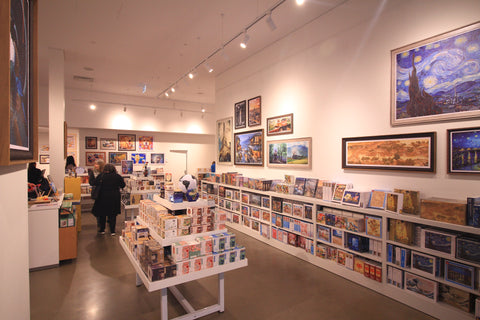
This is where a specialist retailer can make a real difference. Stores that focus on premium puzzle categories tend to offer clearer product segmentation, from classic 2D designs to novelty décor pieces and gift-ready options. That makes it easier to find puzzles that suit your home, your interests, and your budget without wading through generic stock.
For New Zealand shoppers, that practical side matters. You want products that arrive as expected, are easy to compare, and feel worth the spend. Puzzle Art Store speaks directly to that market by focusing on authentic, premium puzzle products that are designed to be kept, displayed, and enjoyed well beyond the build itself.
Why collectible puzzles keep growing in appeal
There is a simple reason more people are turning towards collectible puzzles. They offer a rare mix of calm, creativity, and visible reward. You spend time making something with your hands, and unlike many hobbies, you end up with an object that still has value once the activity is over.
That makes them especially appealing now. People want leisure that feels tangible. They want gifts that are memorable. They want home items with personality. Collectible puzzles sit neatly in that space because they are not just about passing time. They are about making something you want to keep.
If you are choosing your next puzzle, it is worth asking one question before you buy: would you still want it in your home after the last piece goes in? If the answer is yes, you are probably looking at a collectible for all the right reasons.


Comments (0)
There are no comments for this article. Be the first one to leave a message!