
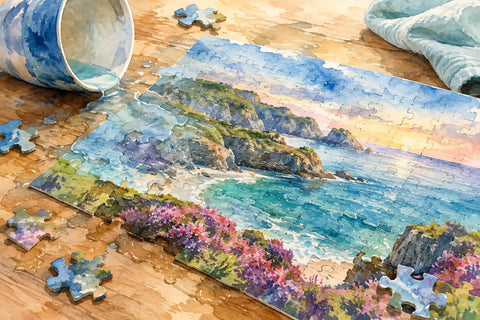
A completed puzzle on the dining table meets a tipped water glass. For a traditional cardboard jigsaw, that small accident can mean warped pieces, lifted print and a disappointing trip to the rubbish bin. So, are puzzles waterproof? It depends entirely on what they are made from - and that difference matters if you want your finished design to become part of your home.
Are puzzles waterproof or just water resistant?
Most standard cardboard puzzles are not waterproof. Their pieces are made from compressed paperboard, often with a printed image and protective coating on top. A light splash may be manageable if it is blotted immediately, but water can soak into the cut edges fast. Once the board absorbs moisture, pieces may swell, bend, separate into layers or lose their snug fit.
Premium plastic puzzles are a different category. Many Pintoo-style and PieceRelax® plastic puzzles are designed to be water resistant, with durable plastic pieces that do not absorb water like cardboard. Some ranges are marketed as waterproof, making them a far more practical choice for homes with children, pets, busy kitchens or simply the occasional clumsy moment.
There is still a useful distinction to make. Water resistant means a puzzle can handle splashes, wiping and everyday moisture well. Waterproof generally means the material itself can tolerate direct contact with water without being damaged. Always check the product description for the specific puzzle, especially with 3D designs, clocks, globes and products that include non-plastic components.
Why cardboard puzzles struggle with water
Cardboard has plenty going for it: it is familiar, lightweight and available in an enormous range of images. But it was never built for moisture. Even a little water can travel through the exposed edges of a piece, where there is no printed surface coating to slow it down.
The first visible issue is usually curling. A piece dries unevenly, so one side contracts more than the other and the shape changes. The puzzle may no longer lie flat, which is frustrating during assembly and even more noticeable once framed. In worse cases, the image layer can bubble or peel, and the cut lines can become fuzzy.
Humidity can cause trouble too. A cardboard puzzle left near a steamy kitchen, damp laundry or sunny window may gradually lose its crispness. That does not mean cardboard puzzles have no place, but it does mean they are best treated as an indoor, dry-space activity rather than a lasting décor piece.
Why plastic puzzles are made for real life
A quality plastic puzzle offers the satisfying challenge of puzzling with a much more durable finish. The pieces are firm, smooth and designed to interlock securely. Rather than relying on glue to hold a completed image together, the connections create a stable panel that is ready to display.
That practical strength changes how you can enjoy the puzzle. You can carefully lift a completed design, move it from the table to a frame, or show it off on a shelf without worrying that every section will fall apart. If a splash lands on the surface, it can generally be wiped clean with a soft cloth instead of becoming a rescue mission.
For families, that is a genuine advantage. Junior plastic puzzles can stand up better to sticky fingers and the occasional drink spill. For collectors, the water-resistant surface helps a favourite artwork stay fresh-looking over time. And for gift buyers, it turns a puzzle into something with a longer life than one rainy-weekend activity.
At Puzzle Art Store, this is part of the appeal of authentic premium plastic puzzle ranges: no glue needed, water-resistant materials and an easy path from puzzling session to display-worthy artwork.
Can you wash a plastic jigsaw puzzle?
For a water-resistant or waterproof plastic puzzle, gentle cleaning is usually fine, but it should never involve harsh treatment. A lightly damp, soft cloth is the safest option for removing dust, fingerprints or a small spill. Wipe the surface, then dry it with a clean cloth rather than leaving moisture sitting between pieces.
Avoid soaking a completed puzzle in a sink or putting pieces through the dishwasher unless the individual product instructions specifically say it is safe. Heat, strong detergents and forceful water can affect printed finishes, decorative coatings or connected elements. This is particularly relevant for 3D puzzle builds such as vases, planters and clocks, which may include specialised parts.
If a drink spills over your puzzle, act promptly. Lift away excess liquid with a dry cloth - do not rub it across the image - then wipe gently if the puzzle is suitable for cleaning. With plastic pieces, the goal is simple: remove the moisture before it dries into residue.
Care tips for a puzzle you plan to display
Water resistance is a brilliant feature, but it is not an invitation to leave any puzzle outside through a New Zealand downpour. Sun, heat, wind-blown grit and constant weather exposure can fade artwork or affect the display setting over time. Think of a plastic puzzle as durable indoor art, not outdoor signage.
A few everyday habits will keep it looking its best:
- Build on a clean, dry surface away from drinks, cooking splatter and direct afternoon sun.
- Use clean, dry hands, especially after applying hand cream or sunscreen.
- Wipe plastic pieces with a soft cloth only, avoiding abrasive scrubbers and chemical sprays.
- Store loose pieces in a dry container and keep finished puzzles flat or properly supported.
- Frame or display completed artwork away from high-humidity spots such as directly above a kettle or beside a shower.
Is a waterproof puzzle better for framing?
For many people, yes. Traditional cardboard puzzles often need puzzle glue before they can be moved and framed. Glue adds another step, can create uneven patches and is not always ideal if you want a clean, polished finish. Plastic interlocking puzzles can hold together without glue, making them easier to handle once complete.
That does not mean every plastic puzzle should be treated identically. Larger piece counts and unusual shapes may benefit from a frame, backing board or display support. The key benefit is choice: you can display the completed image confidently without permanently coating it in adhesive.
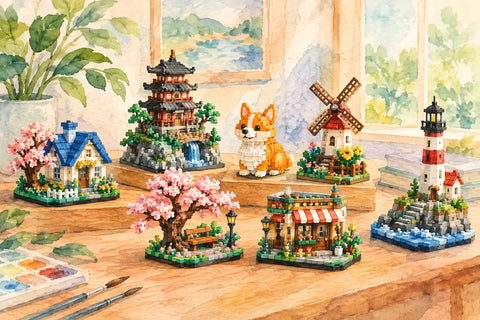
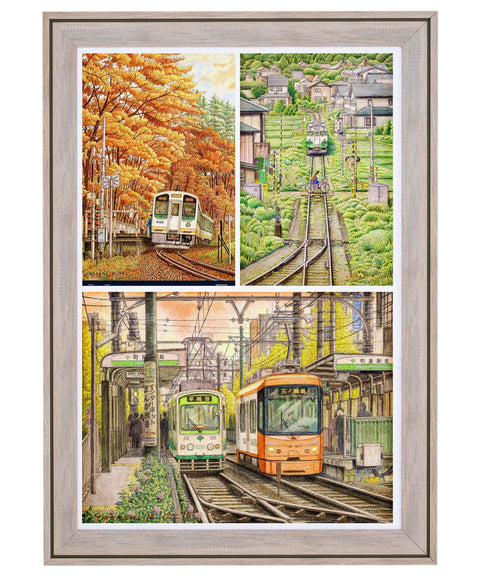
A well-chosen puzzle can work like affordable wall art. Choose a colourful landscape for a living area, a calm illustration for a bedroom, a playful animal design for a child’s room, or a striking mini build for a shelf. The finished piece carries the extra satisfaction of having been made by hand.
Choosing the right puzzle for spills, kids and gifting
If durability is high on your list, look beyond the image and piece count. Check the puzzle material first. A plastic puzzle is a smart match for households where the puzzle table doubles as a homework desk, dining table or family activity zone. It is also ideal for someone who wants to keep their completed design rather than pack it away.
For a gift, water-resistant construction adds a practical premium touch. It tells the recipient this is not just a one-use present. They can puzzle, display and enjoy it as a lasting piece of décor. That is especially appealing for birthdays, housewarmings, Mother’s Day and Christmas, when you want a gift to feel a little more special.
The best puzzle is one you will be happy to see long after the last piece clicks into place. Choose a design you love, give it a dry spot to shine, and let your finished artwork earn its place on the wall or shelf.

Comments (0)
There are no comments for this article. Be the first one to leave a message!