
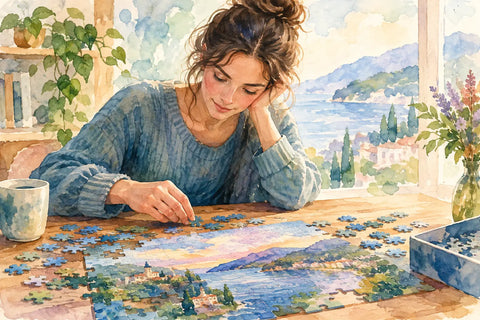
A half-finished puzzle on the dining table can be more than a pleasant way to spend a quiet evening. Can puzzles improve focus? For many people, yes - not as a magic cure for distraction, but as a satisfying hands-on activity that asks the brain to slow down, notice detail and keep returning to one clear goal.
That combination matters. Whether you are fitting together a vivid 1,000-piece landscape, helping a child sort a junior puzzle, or building a display-worthy 3D globe, puzzling creates a small pocket of purposeful attention. The pieces may be colourful and playful, but the mental work is real.
Can puzzles improve focus in everyday life?
Puzzles give your attention a job. Instead of reacting to messages, errands and the next item on a busy mental list, you are scanning for colour changes, comparing shapes and testing where a piece belongs. Each choice is simple, yet it builds on the one before it.
This is often called focused attention: concentrating on a particular task while filtering out what is less relevant. A puzzle does not require you to be productive in the usual sense, which can make the process feel less pressured than work or study. Still, it rewards patience, visual observation and persistence.
The benefit is usually most noticeable while you are puzzling and shortly afterwards. Regular puzzling may help some people practise settling into a task, but it will not automatically solve ongoing concentration difficulties, sleep deprivation, stress or a condition such as ADHD. Think of it as a useful attention habit, not a replacement for professional support where that is needed.
Why a puzzle holds the mind so well
A good puzzle offers enough challenge to keep things interesting without making every piece feel impossible. That balance is why an hour can pass surprisingly quickly. You have a visible goal, immediate feedback and a steady stream of tiny wins.
It turns a big task into manageable choices
A 1,000-piece puzzle can look daunting in the box. On the table, it becomes a series of smaller decisions: find the edges, group the sky, build the bright flowers, then tackle the detail. Breaking a large goal into sections is a useful focus skill because it stops the task from feeling like one enormous demand.
There is also no need to hold every detail in your head. The image, the sorted pieces and the section you have already completed all stay in view. This gives the brain helpful visual cues and reduces the feeling of mental clutter.
It engages more than one kind of attention
Jigsaw puzzling is not just about looking. You rotate pieces, feel the tabs and blanks, compare subtle shades and remember where certain details appeared in the reference image. This mix of visual, spatial and hands-on problem-solving can feel especially refreshing after a day spent switching between screens.
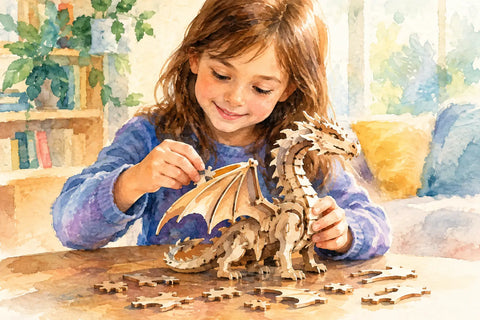
For children, a well-matched puzzle can also encourage turn-taking, shape recognition and the confidence that comes from finishing something independently. For adults, it can be a welcome contrast to tasks with vague end points. A puzzle tells you clearly when a piece fits.
It makes distraction less rewarding
Distractions do not disappear when you sit down to puzzle. Your mobile may still buzz, and the washing may still need folding. But a puzzle gives you an appealing reason not to chase every interruption. Finding the missing piece for a detailed section is often more satisfying than opening another notification.
That is why setting up the activity well can matter as much as the puzzle itself. Give it a dedicated surface, make a cuppa, put the mobile out of reach and allow yourself a realistic block of time. Even 20 focused minutes can feel restorative when the task is ready to continue.
The right level of challenge makes a difference
Focus thrives on a challenge that feels achievable. If a puzzle is too easy, your mind may wander. If it is far beyond your current patience or experience, frustration can take over. The sweet spot depends on the person, the day and the design.
A beginner or someone returning to puzzling might enjoy a smaller piece count, strong colour blocks and clear image sections. A confident puzzler may prefer finer artwork, repeated patterns or a larger count that can become a satisfying weekend project. There is no prize for choosing the hardest option. The best puzzle is the one you genuinely want to return to.
Image choice matters too. Pick artwork that holds your attention. A favourite travel scene, a dramatic animal portrait, bold abstract colour or a beautifully illustrated garden gives your brain more visual landmarks to work with. When the finished image is something you would happily display, the motivation lasts beyond the first sitting.
Build a focus-friendly puzzling ritual
Puzzling does not need a strict routine, but a few simple choices can make it easier to settle in. Start by sorting edge pieces and separating obvious colours or textures. This gives you an organised entry point rather than a scattered pile that feels like hard work before you begin.
Choose a time when you can be comfortably unhurried. Some people enjoy an early-evening puzzle as a transition away from work; others prefer a relaxed weekend session with music in the background. If music helps, keep it familiar and low-key. Lyrics, podcasts or television can be enjoyable companions, but they may compete for attention when the puzzle becomes trickier.
It also helps to stop before you are completely over it. Leave a small, appealing section ready for next time. A puzzle should feel like an invitation, not another item on the to-do list.
Why premium puzzle materials can support the experience
The physical feel of a puzzle affects how long you want to stay with it. Pieces that bend, shed dust or separate easily can interrupt concentration just when you are getting into a rhythm. A quality plastic puzzle has a more polished, repeatable feel: pieces are firm, satisfying to handle and designed to interlock securely.
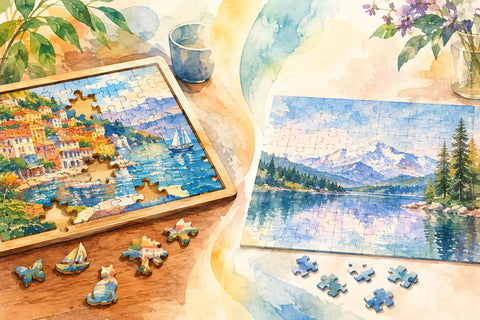
For display-minded puzzlers, this brings another advantage. When the final image stays together without glue, you can move it, frame it or turn it into part of your home décor with far less fuss. Waterproof pieces are practical for family homes too, where a tipped drink should not have to end a much-loved project.
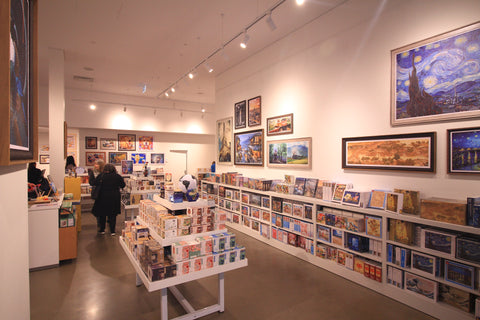
At Puzzle Art Store, premium Pintoo-style and PieceRelax® designs make that finished-puzzle feeling part of the experience. The goal is not simply to complete a picture, then pack it away. It is to create an artwork, clock, globe, vase or other conversation piece you can enjoy well after the last piece clicks in.
When puzzling may not be the best focus tool
Puzzles are wonderfully adaptable, but they are not right for every moment. If you are exhausted, upset or under a tight deadline, a complex design can feel more irritating than calming. On those days, a small puzzle, a few minutes of sorting, or a different activity altogether may be the better choice.
Some people also focus better with movement. If sitting still makes you restless, pair a short puzzle session with a walk, stretch or household task. The point is not to force stillness. It is to find a form of attention that feels sustainable.
Make the finished picture part of the reward
One reason puzzles can keep attention is that progress is visible. A corner becomes a border, a border becomes a scene, and eventually the whole image appears. Choosing a puzzle you can frame or display extends that reward: every glance at the finished piece recalls the time, patience and care that went into it.
Set aside a small space, choose an image that makes you smile, and let the first handful of pieces be enough. Focus rarely arrives because we demand it. More often, it grows when there is something beautiful and absorbing to come back to.
Comments (0)
There are no comments for this article. Be the first one to leave a message!