
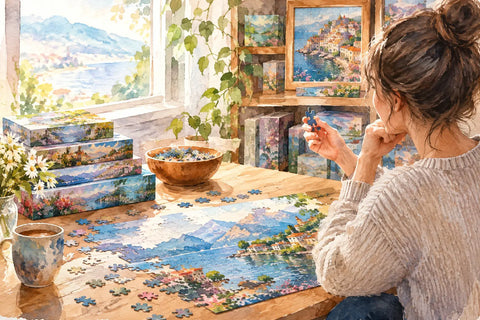
A finished puzzle on the dining table is satisfying. A finished puzzle that holds together, suits the room and earns a second look from every visitor is something else entirely. That is where puzzle collector stories begin: not with a box tucked away after a rainy weekend, but with a piece chosen for its artwork, built slowly, and given a permanent place at home.
For collectors, the pleasure is rarely just about reaching the final piece. It is about the image, the construction, the edition, the memory attached to it and the feeling that the finished work deserves to be seen. A premium plastic puzzle changes the equation because it is designed to last. The pieces interlock firmly, the surface handles everyday life better than cardboard, and no glue is needed before display.
Why puzzle collector stories start with one special piece
Most collections do not begin with a grand plan. They begin with a puzzle that feels too good to pack away. It may be a vivid floral scene selected to brighten a hallway, a detailed cityscape that recalls a favourite trip, or a miniature design picked up as a thoughtful birthday gift.
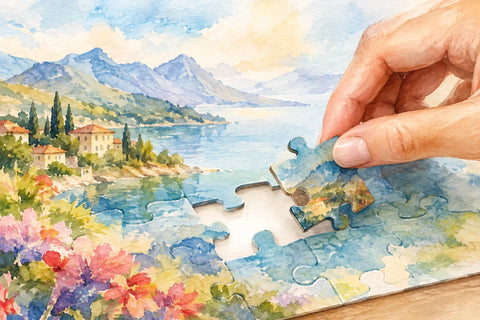
The collector notices a difference when the puzzle feels considered from the first click. A satisfying fit encourages patience through tricky sections of sky, water or repeating pattern. A strong finished surface makes it practical to lift, frame or place on a shelf. Suddenly, puzzling is not a temporary activity competing for table space. It is a creative project with an afterlife.
That is especially appealing in homes where décor needs to work hard. A finished artwork can add colour to a study, personality to a family room or a conversation starter to an entranceway. Unlike a print bought off the shelf, it carries the quiet evidence of time spent making it.
The memory is part of the collection
Some collectors choose themes. They might gather animals, travel scenes, gardens, fantasy art or contemporary graphic designs. Others collect by occasion: one puzzle for each Christmas, school holiday, house move or milestone birthday. Neither approach is more serious than the other. A collection can be carefully curated or cheerfully eclectic, provided every piece has a reason to stay.
This is why gift puzzles can become unexpectedly meaningful. A child may remember completing a bright design with a grandparent. A couple may keep the puzzle finished during their first winter in a new home. A friend might give a 3D puzzle vase because it is playful, useful and far more memorable than another candle. The object remains, but so does the story around it.
Puzzle collector stories are changing the display wall
Traditional cardboard puzzles have always had visual appeal, but collectors know the frustrating part: a completed image can be delicate. Moving it can bend corners, loosen sections or turn framing into a glue-heavy job. That is fine for a one-off, but it limits what a collector can confidently do with a growing range of favourites.
Premium plastic pieces offer a different kind of freedom. Their secure fit means a completed puzzle can be handled more confidently, displayed without glue and easily framed. Water resistance is another practical advantage in real homes with children, pets, busy kitchens and the occasional knocked-over drink. It does not mean a puzzle should live outdoors in the rain, but it does make everyday care far less stressful.
For a collector, durability supports rotation. One design can come down from the wall and another can take its place without treating every finished puzzle as fragile. Seasonal artwork becomes realistic: bright botanicals in spring, cosy scenes during winter, festive designs in December. A small display can keep changing while the collection remains protected.
There is a trade-off, of course. A display-ready puzzle deserves a little more thought than a cheap cardboard box. Collectors may pay more for premium materials and distinctive artwork. Yet the value is easier to see when the puzzle delivers two experiences - the pleasure of building it and the pleasure of living with it afterwards.
Beyond the flat puzzle
The most interesting collections do not have to stay on the wall. Three-dimensional puzzle formats bring function into the mix. A vase, planter, clock or globe is both a hands-on project and a finished object with a role in the home.
These pieces suit collectors who enjoy novelty, but they are also an easy entry point for gift buyers. A 3D puzzle clock is less expected than a standard present. A completed planter can sit on a desk with a small indoor plant. A globe can be a thoughtful pick for a travel-loving teen, teacher or puzzle fan who already owns plenty of flat puzzles.
The display decision depends on the piece. A richly detailed 2D artwork may suit a frame in the lounge. A functional 3D design belongs where it can be used. Mini puzzles, magnets and puzzle cards work beautifully in smaller spaces, on a fridge, shelf or noticeboard. Collecting does not require a large house or a dedicated hobby room. It simply calls for pieces that fit the way you live.
Building a collection with intention
A good collection has variety, but it should not feel like clutter. Before choosing the next puzzle, it helps to ask one practical question: where could the finished piece go? That does not mean every puzzle must become permanent décor. Some are built for the challenge, photographed, enjoyed and then carefully stored. But knowing its possible destination makes the choice more personal.
Piece count matters too. A smaller puzzle can offer a quick creative reset and makes an excellent gift for someone new to premium plastic puzzling. Larger counts invite a longer project and often deliver more visual impact once finished. Families may prefer designs that allow several people to work together, while solo puzzlers might deliberately choose intricate artwork for an evening ritual.
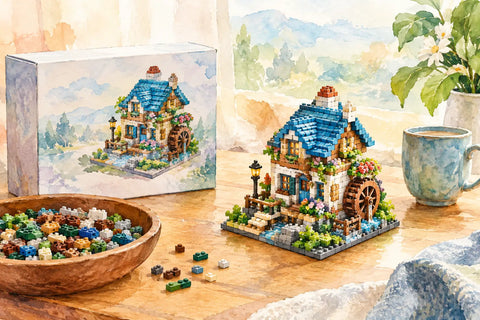
Collectors can also balance familiar themes with a few surprises. If every puzzle is a landscape, a striking abstract, animal portrait or 3D object can refresh the display. If the collection is mainly grown-up artwork, adding a kids’ puzzle or mini bricks set creates a way for younger family members to join in. The best collections reflect a household, not just one person’s taste.
Storage deserves attention. Keep unbuilt puzzles in a dry, tidy spot away from direct sun and heavy items that could damage the packaging. For completed pieces awaiting display, use a flat, protected surface. If you rotate wall art, label the box with the puzzle name, size and the room where it has looked best. It sounds small, but this kind of care keeps a collection enjoyable rather than overwhelming.
The collectors who share the hobby
Puzzle collecting can be wonderfully solitary, but it is also naturally social. People compare piece counts, swap display ideas and notice details in artwork that others may miss. A completed puzzle has an easy way of drawing someone in: they ask how long it took, whether it was difficult, or where they can find one of their own.
That shareability is part of its charm. Unlike a hobby hidden in a drawer, a puzzle artwork invites conversation without demanding it. It shows creativity in a very tangible form. It also gives gift buyers a useful advantage. When you know someone enjoys art, mindfulness, home décor or hands-on projects, a quality puzzle can meet all four interests at once.
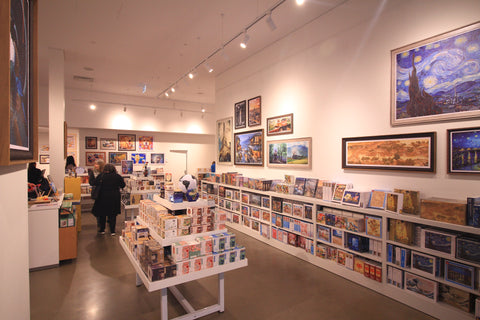
At Puzzle Art Store, the appeal is clear: authentic, collectible puzzles can be enjoyed piece by piece, then displayed with confidence. No glue needed. Water resistant. Easily framed. Those benefits matter because they protect the work and honour the time spent creating it.
Start with the piece you want to keep
There is no rule that says a collector needs matching frames, a complete series or dozens of boxes. One display-worthy puzzle is enough to begin. Choose an image that makes you pause, a format that feels fun to build, and a size that suits your time and space.
Then let the collection grow at its own pace. The most rewarding puzzle collector stories are not about owning the most pieces. They are about looking around your home and seeing colour, craft and memories that you made yourself.
Comments (0)
There are no comments for this article. Be the first one to leave a message!