
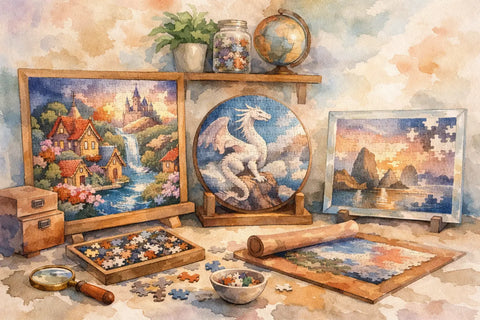
A finished puzzle deserves better than a week on the dining table before it is packed away again. The best puzzle accessories for display help turn those satisfying final pieces into colourful wall art, shelf décor or a conversation-starting gift - without hiding the detail that made you choose the design in the first place.
For premium plastic puzzles, display can be beautifully straightforward. Firm interlocking pieces hold their shape, so there is no sticky glue, warped cardboard or nervous shuffle from table to frame. The right accessory still matters, though. It protects your work, suits the space and makes the finished image feel intentional rather than temporary.
Start with the right frame
A frame is the classic choice for a 2D puzzle because it instantly gives the artwork a finished, gallery-style edge. Choose a frame based on the completed puzzle measurements, not the piece count. Two 1,000-piece puzzles can have very different finished dimensions, and a frame that is only slightly too small can put pressure on the outer pieces.
For a clean, modern result, a slim black, white or natural timber-look frame lets a detailed puzzle design take centre stage. A bright or patterned frame can work brilliantly for children’s puzzles, pop-art scenes or bold collectible designs, but it may compete with a delicate landscape or artwork reproduction.
Look for a frame with a secure backing and enough depth for the puzzle to sit flat. Premium plastic pieces are often a little thicker than traditional cardboard pieces, so shallow budget frames are not always the best fit. If you are unsure, measure the completed puzzle from edge to edge and check the internal frame size before buying.
Glass, acrylic or no front cover?
Glass offers a crisp, polished finish and strong protection from dust. It is ideal for a puzzle going in a hallway, lounge or bedroom wall, where the display is less likely to be bumped. Its trade-off is weight, particularly with larger formats, so use suitable wall fixings.
Acrylic is lighter and a smart choice for a child’s room, rental home or busy family area. It is less prone to shattering, although it can scratch more easily than glass. Choose a good-quality clear acrylic front rather than a flimsy cover that can look cloudy over time.
Some plastic puzzles are stable enough to display in a deep shadow-box frame without a front cover. This lets the texture and precise piece joins remain visible. It is a striking option for collectors, but it needs more regular dusting and is best kept away from cooking splatter, direct sun and damp spots.
Best puzzle accessories for display on shelves
Not every puzzle belongs on a wall. A shelf display makes it easy to rotate favourite designs through the seasons, show off miniature puzzles or add personality to a bookcase, entry table or home office.
A plate stand or adjustable display easel is one of the simplest accessories for smaller completed puzzles. Select one with a wide, stable base and a front lip that supports the puzzle without covering too much of the image. Clear acrylic stands keep the focus entirely on the design, while timber or metal stands can add a more decorative look.
For larger 2D puzzles, a shallow display ledge is often more secure than a narrow stand. Rest the puzzle in a frame or shadow box against the wall, then make sure the ledge has a small front rail. This arrangement is especially handy for renters who would rather not commit to a full wall of hooks.
3D puzzle accessories are slightly different. A completed vase, planter, globe or clock is already designed to earn its place in the room, so the display surface matters more than a frame. Pair it with a small tray, a protective felt pad or a plinth to give it visual presence. For functional 3D puzzles, keep the display practical too: position a vase where it can be enjoyed, but where it is unlikely to be knocked by a bag, pet or enthusiastic little helper.
Choose a backing that protects the finished image
A backing board keeps a framed puzzle flat and supported. Acid-free foam board or mount board is a worthwhile upgrade for a puzzle you plan to keep for years, especially if it contains pale colours or detailed printed artwork. It helps avoid marks and discolouration that can come from lower-quality backing materials.
With a tightly interlocking plastic puzzle, you may be able to lift the completed design carefully as one piece and place it directly into the frame. Work on a clean, flat surface and support the whole puzzle underneath as you move it. A second board placed on top can help sandwich the puzzle safely during the transfer.
If a design needs extra stability, use a display board sized to the completed puzzle. Avoid rushing to glue a premium plastic puzzle. One of its great advantages is that it is designed to stay together without glue, allowing a cleaner display process and, in some cases, the option to take it apart and enjoy it again later.
Add lighting only where it helps
Good lighting can make a completed puzzle look spectacular, especially metallic details, rich colours and intricate illustrations. It can also expose glare, so placement is everything.
A small adjustable picture light above a framed puzzle creates a refined feature wall. Warm white light suits cosy interiors and traditional art styles, while neutral white works well for crisp graphic designs and contemporary spaces. Aim the light down gently rather than directly at the centre of the puzzle to reduce reflections from glass or acrylic.
LED strip lighting inside a cabinet or beneath a shelf can make mini puzzles, magnets and small 3D pieces feel like a curated collection. Keep lights low-heat and avoid placing any display in prolonged direct sunlight. Water-resistant plastic puzzles are wonderfully durable, but bright sun can still fade printed colours over time.
Keep dust, moisture and everyday knocks in mind
The best display plan is one you can actually live with. A framed puzzle in a calm bedroom needs less protection than a favourite piece near the front door, kitchen bench or family play zone.
For open shelf displays, a soft microfibre cloth is usually enough for regular dusting. Do not scrub at printed surfaces or use harsh cleaners. A light touch keeps the puzzle looking fresh while protecting the finish.
In humid rooms, choose a sealed frame and avoid placing puzzles directly above steamy bathrooms or beside a constantly boiling kettle. Plastic materials cope far better with accidental splashes than cardboard, but display accessories such as timber frames, paper backing and metal fittings still benefit from a dry setting.
If you like changing your décor, store spare completed puzzles flat in a large portfolio case, archival box or under-bed storage sleeve. Place a clean protective sheet between designs so raised pieces do not rub against each other. It is a practical way to build a rotating puzzle art collection without filling every available wall.
Make the display fit the room, not just the puzzle
Before choosing accessories, stand back and consider where the puzzle will live. A busy, colourful design can anchor a neutral room. A softer botanical scene may bring calm to a reading corner. A playful kids’ puzzle looks best at a child-friendly height, where it can be enjoyed rather than treated as untouchable art.
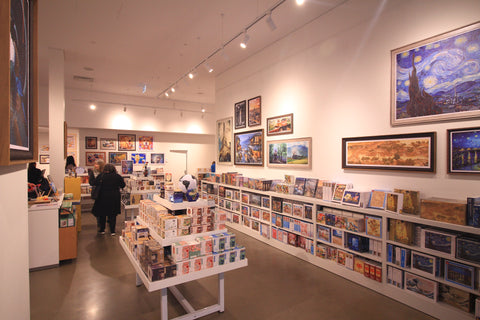
For a gift, a frame or display stand adds another layer of thoughtfulness. It tells the recipient that the puzzle is not only an activity for a rainy afternoon - it is something made to keep. At Puzzle Art Store, that is part of the joy of premium plastic puzzles: complete it, display it and let the finished piece keep sparking smiles long after the last click.
The most rewarding accessory is the one that encourages you to look at your finished puzzle every day. Choose a frame, stand or shelf set-up that suits your home, protect the colours you love, and give that final piece the proper finish it has earned.


Comments (0)
There are no comments for this article. Be the first one to leave a message!